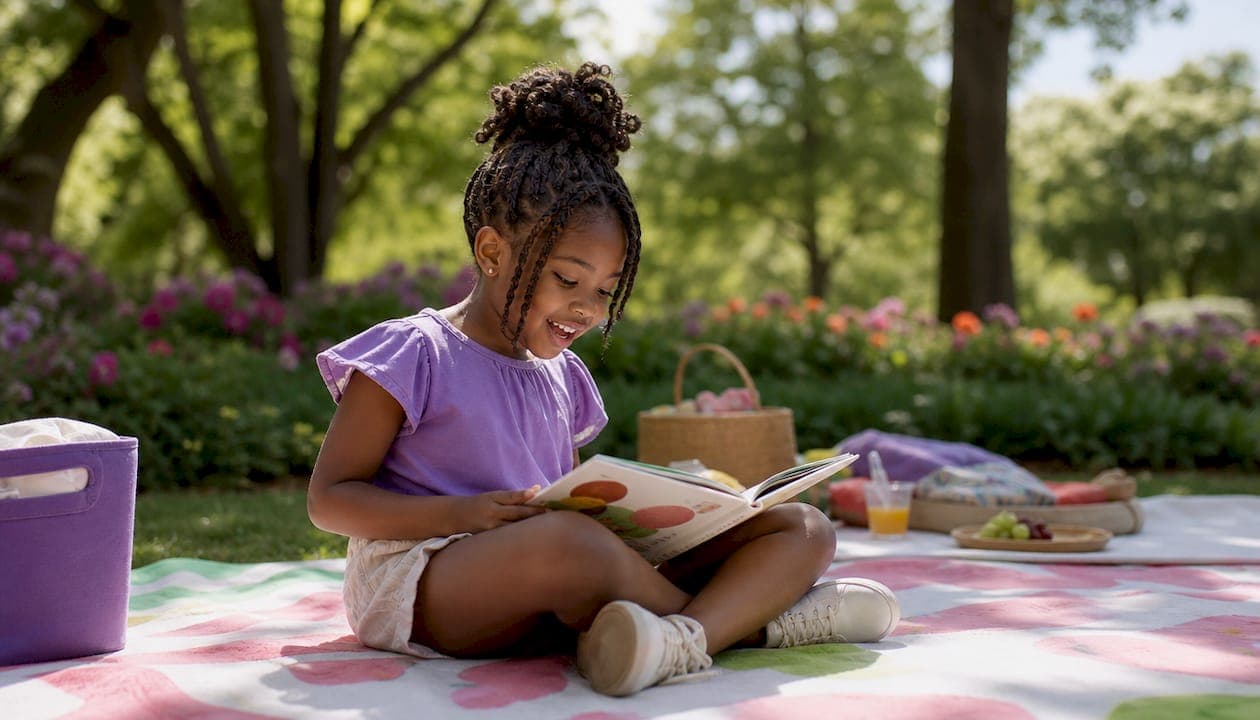
Modern children's literature is defined as literary works created for readers from birth through age 18, spanning fiction, nonfiction, poetry, drama, and digital formats that reflect contemporary social realities rather than deliver moral instruction. The genre has shifted from 19th-century didacticism to stories that center diversity, social-emotional learning, and multimedia storytelling. If you are a parent choosing books for your child, an educator building a classroom library, or a literature enthusiast tracking publishing trends, understanding what separates modern children's literature from its predecessors helps you make better, more meaningful choices.
What is modern children's literature, and how is it defined?
Modern children's literature covers every format written for young readers, from board books for infants to young adult novels for teenagers. The industry-standard term is "children's and young adult literature," often shortened to CYAL, though "children's literature" remains the most widely used umbrella phrase. What makes the contemporary version distinct is its scope. Today's children's books address friendship, identity, climate change, grief, and intersectionality with a directness that earlier generations of authors avoided.
The definition also includes format. A graphic novel, an audiobook, an interactive digital storybook, and a traditional picture book all qualify as children's literature when written for young readers. That breadth matters because it means the genre meets children where they are, not where adults think they should be.
How has children's literature evolved over time?
The history of children's literature moves in clear phases, each shaped by how society viewed childhood at the time.
- 17th and 18th centuries: Books for children were almost entirely religious or moral in purpose. Works like The New England Primer (1690) taught reading through scripture. Entertainment was not the goal.
- 19th century: Authors began writing stories children actually wanted to read. Lewis Carroll's Alice's Adventures in Wonderland (1865) and Mark Twain's The Adventures of Tom Sawyer (1876) treated imagination as a legitimate reason to open a book.
- Early 20th century: Picture books emerged as a distinct format. Publishers recognized that illustration and text together could teach literacy in ways that text alone could not.
- Mid-20th century: The civil rights movement pushed authors and publishers to question whose stories were being told. Diverse voices began entering mainstream publishing, slowly at first.
- Late 20th century to present: Children's literature evolved into a genre that handles complex social realities, blends formats, and treats young readers as capable of nuance. Graphic novels, digital storybooks, and long-running series became standard formats alongside traditional picture books.
The most significant shift is not stylistic. It is philosophical. Authors now respect children's capacity to engage with difficult questions, which produces books that feel honest rather than sanitized.
What are the defining features of modern children's books?
Modern children's literature has several characteristics that set it apart from earlier work. Understanding these features helps parents and educators evaluate whether a book genuinely serves a child or simply checks a box.
-
Diversity as a structural standard. Scholar Rudine Sims Bishop's framework of "mirrors, windows, and sliding glass doors" describes how diverse narratives function. A mirror reflects a child's own experience back to them. A window lets them see into someone else's life. A sliding glass door invites them to step inside a world entirely different from their own. All three are necessary.
-
Social-emotional learning (SEL) themes. Friendship, belonging, loss, anxiety, and identity appear across age groups. These are not "issues books." They are stories where emotional truth drives the plot.
-
Genre blending. Contemporary children's books mix fiction and nonfiction, fantasy and realism, prose and verse. A single middle-grade novel might include journal entries, maps, and illustrated chapters alongside traditional narrative.
-
Postmodern narrative techniques. Multiple perspectives, unreliable narrators, and non-linear timelines appear regularly in books for readers as young as eight. These techniques build critical thinking, not just reading fluency.
-
Eco-fiction and climate themes. Climate-focused literature, often called Eco-lit, has grown significantly as a category. The best examples center child agency and problem-solving rather than fear.
-
Authentic conflict resolution. Modern authors resist tidy endings. Characters fail, compromise, and grow in ways that mirror real life, which makes the stories more useful for children processing their own experiences.
Pro Tip: When evaluating a book for a child, ask whether the conflict resolution feels earned or convenient. Earned resolutions teach children that problems require effort, not luck.
How does technology shape modern children's reading experiences?
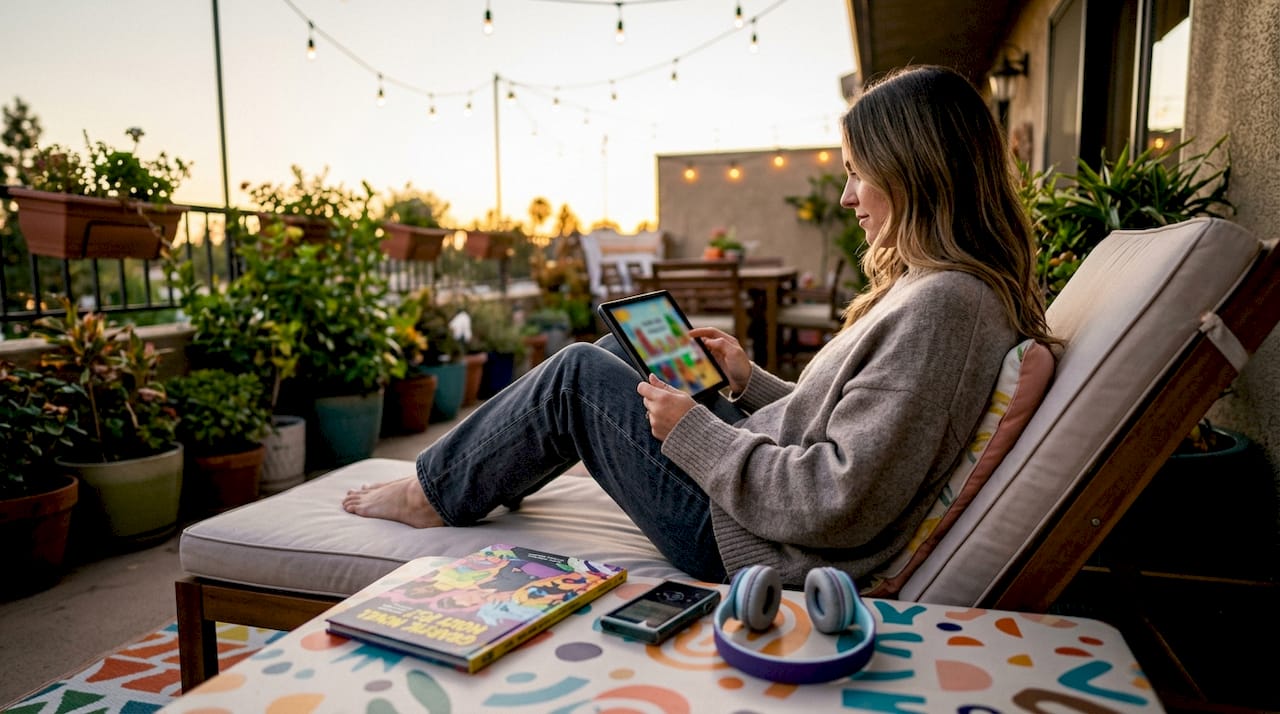
Technology has changed not just how children read but what counts as reading in the first place. The formats available in 2026 include print picture books, graphic novels, audiobooks, e-books, and fully interactive digital storybooks with embedded audio, animation, and branching narratives.
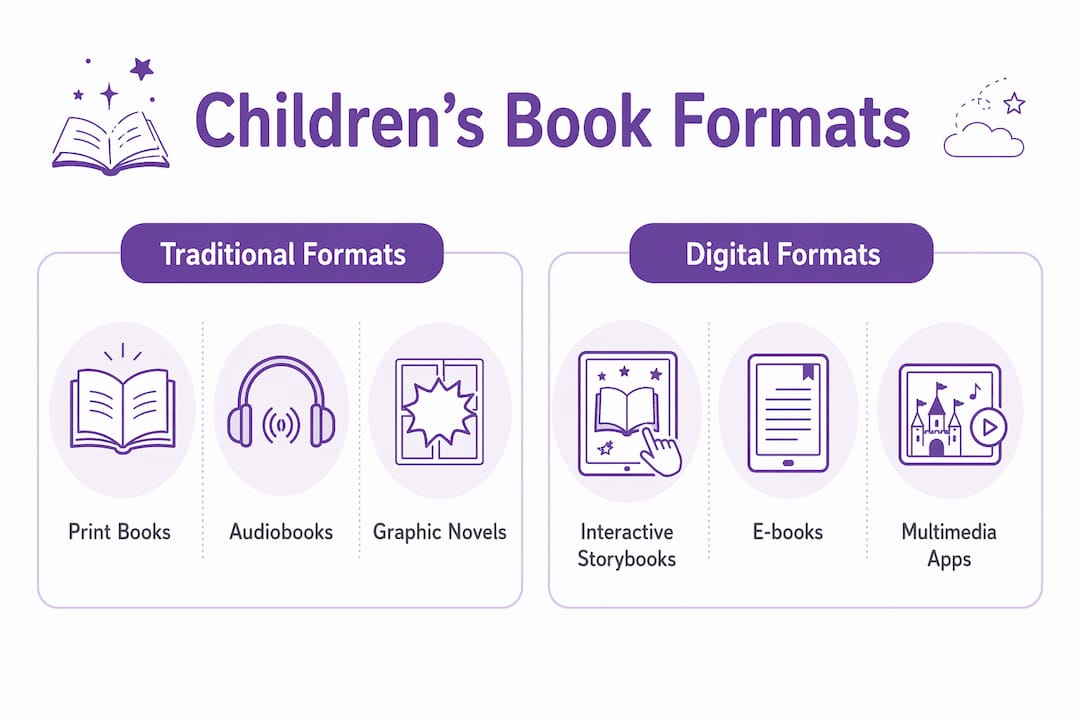
| Format | Primary strength | Key consideration |
|---|---|---|
| Print picture books | Visual literacy, read-aloud bonding | Requires adult participation for early readers |
| Graphic novels | Sequential reasoning, reluctant readers | Panel layout affects comprehension pace |
| Audiobooks | Oral language development, accessibility | Less visual processing than print |
| Interactive digital storybooks | Engagement, multimedia learning | Requires cognitive coherence between elements |
The research on digital formats is clear on one point. Multimedia integration supports literacy when the audio, animation, and text reinforce each other. When they compete for attention, comprehension drops. A digital book where sound effects drown out the narration is not a better book. It is a distracted one.
Physical book design has also adapted. Publishers now use increased white space, larger typography, and adjusted page layouts to reduce reading fatigue in middle-grade books. These changes improve accessibility without altering word count or story content.
Pro Tip: For children who resist reading, try a graphic novel first. The format builds the same sequential reasoning skills as prose, and the visual payoff keeps reluctant readers turning pages.
Picture books use complex vocabulary designed for reading aloud, which means children absorb sophisticated language before they can decode it independently. That oral foundation directly supports later reading fluency. The illustrations do equal work. Children learn to retell stories using pictures before they can read a single word.
Why does modern children's literature matter for young readers?
Contemporary children's stories do specific, measurable work in a child's development. The importance is not abstract.
- Empathy development. Reading about characters with different backgrounds, abilities, and family structures builds the cognitive habit of perspective-taking. Authentic diverse narratives make this concrete rather than theoretical.
- Identity formation. Children who see themselves in books develop stronger self-concept. Children who see others unlike themselves develop tolerance and curiosity. Both outcomes matter.
- Ethical reasoning. Stories that present moral complexity without easy answers train children to hold competing ideas at once. That skill transfers directly to real-world decision-making.
- Literacy skills. Children's literature balances delight and education. A book that bores a child teaches nothing. Engagement is not a bonus feature. It is the delivery mechanism for every other benefit.
- Global citizenship. Books set in other countries, written by authors from other cultures, and translated from other languages give children a map of the world that goes beyond their immediate experience.
The genre works because it respects children. Modern authors treat young readers as capable of handling nuanced social issues while still prioritizing entertainment. That combination is what makes a book genuinely useful rather than merely well-intentioned.
Key Takeaways
Modern children's literature is defined by its diversity, genre flexibility, and commitment to reflecting real social experiences for readers aged 0–18.
| Point | Details |
|---|---|
| Clear definition | Modern children's literature covers all formats for readers aged 0–18, from board books to young adult novels. |
| Historical shift | The genre moved from moral instruction to socially reflective, emotionally honest storytelling over two centuries. |
| Core features | Diversity, SEL themes, genre blending, and postmodern techniques define contemporary children's books. |
| Technology's role | Digital formats support literacy when multimedia elements align with the narrative rather than compete with it. |
| Real-world impact | Contemporary stories build empathy, identity, ethical reasoning, and literacy skills in measurable ways. |
Why I think we underestimate what children's books can carry
I have spent years reading children's literature with a critical eye, and the thing that still surprises me is how often adults underestimate what a good children's book can hold. We assume that simpler language means simpler ideas. It does not. The best picture books and middle-grade novels carry more emotional weight per sentence than most adult fiction.
What I find genuinely interesting about the current moment in publishing is the move toward specificity. Earlier decades produced books about "a child" facing "a problem." The books that resonate now are about this child, with this background, in this situation. That specificity is not just a diversity initiative. It is better craft.
The personalization trend in publishing reflects something real about how children engage with stories. A child who sees their own name, face, or neighborhood in a book does not just feel included. They pay closer attention, retain more, and return to the book more often. That is not sentiment. It is how narrative memory works.
The next frontier is not just representation on the page. It is stories built around the individual child from the start. That is where the most interesting work is happening, and it is where the gap between "a book for children" and "a book for your child" becomes most visible. If you want to see what personalized books vs. template books actually look like in practice, the difference is sharper than most parents expect.
— Jason
How Adventuresofbook fits into the modern children's literature picture
Modern children's literature puts the child at the center of the story. Adventuresofbook takes that principle literally.
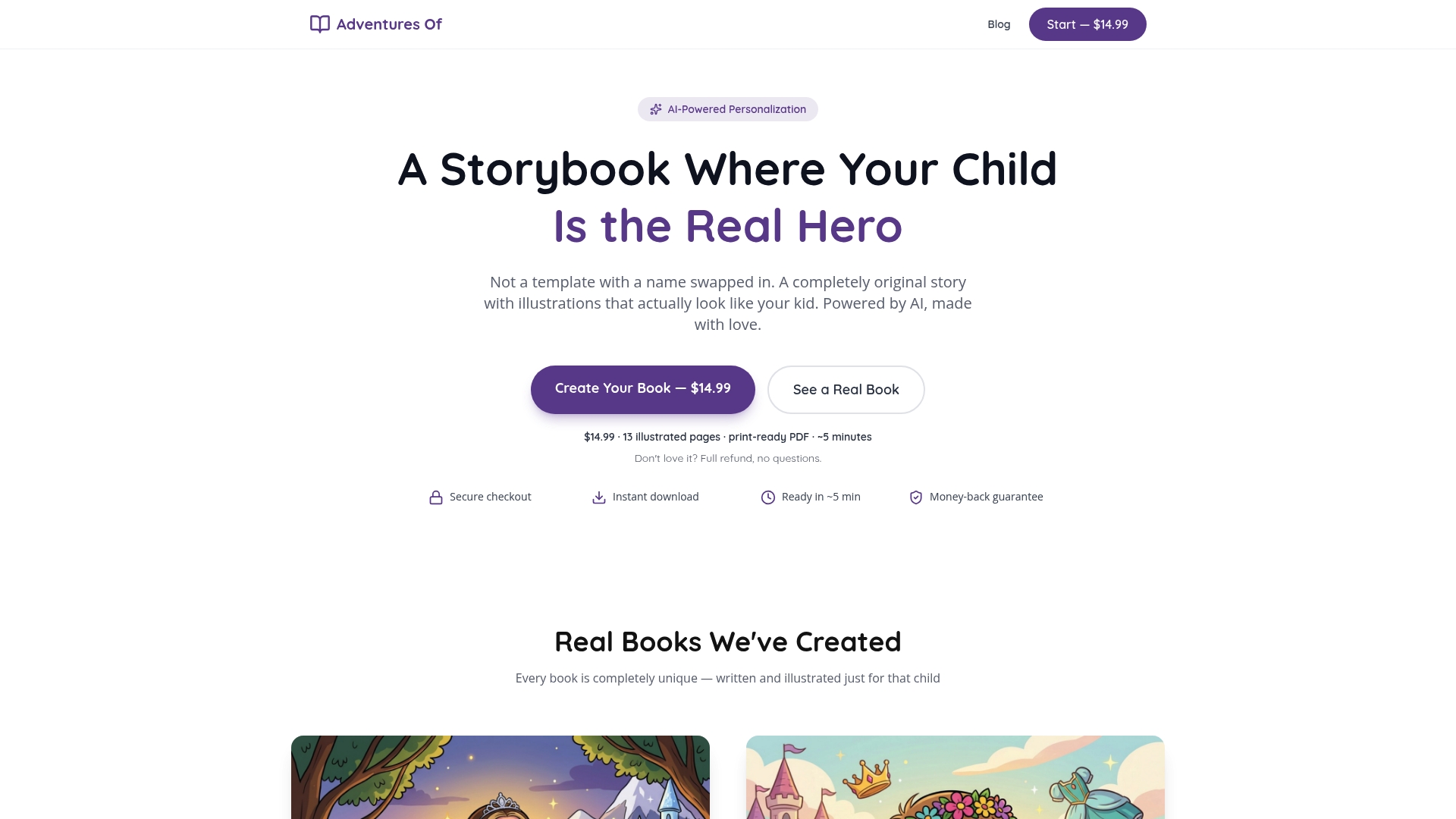
With Adventuresofbook, you upload a photo of your child, add their name and a few details, and the platform generates an original story with AI illustrations that actually look like your child. No template characters with a name swapped in. No stock art. The result is a 13-page, 8.5x8.5 print-ready PDF built around one specific child, ready in about five minutes for $14.99. It comes with a 7-day refund guarantee. For parents who want a book that reflects everything modern children's literature values, including individuality, representation, and genuine engagement, personalized children's books from Adventuresofbook are a direct expression of those values.
FAQ
What is the definition of children's literature?
Children's literature is defined as literary works created for readers from birth through age 18, including fiction, nonfiction, poetry, drama, and digital formats. The modern version emphasizes diversity, social-emotional themes, and multimedia storytelling over moral instruction.
What are the main themes in today's children's books?
Current themes include friendship, identity, intersectionality, climate action, grief, and belonging. Contemporary children's stories also address authentic conflict resolution and coming-of-age experiences across diverse cultural backgrounds.
How has children's literature changed over the past century?
Children's literature moved from religious and moral instruction in the 17th century to imaginative storytelling in the 19th century, then to diverse, socially reflective narratives in the 20th and 21st centuries. The shift reflects changing views on childhood and children's capacity for complex thought.
Are digital storybooks as effective as print books for children?
Digital storybooks support literacy when their multimedia elements align with the narrative. Research shows that poor multimedia integration can hinder deep reading and analytical skills, so format quality matters more than format type.
Why is diversity important in modern children's books?
Diversity gives children both mirrors and windows. Mirrors reflect their own experience and build self-concept. Windows show them lives different from their own and build empathy. Both functions are necessary for healthy social and emotional development.