
Shared reading is defined by child development researchers as the single most consistent daily practice that strengthens a child's brain, language, and emotional bonds with caregivers. The role of books in family engagement goes well beyond literacy. The American Academy of Pediatrics identifies shared reading as a foundational parenting practice from birth through kindergarten, citing measurable gains in social, emotional, and cognitive growth. What most parents miss is that the book itself is almost secondary. The real work happens in the closeness, the conversation, and the routine.
How does shared reading improve children's developmental outcomes?
Shared reading produces measurable gains across every major developmental domain. A large-scale study, the Japan Environment and Children's Study, found that children with regular shared reading scored 5.5 points higher on communication measures at age 3 compared to children who were rarely read to. That gap is not trivial. A 5.5-point difference on the ASQ-3 developmental screening tool represents a meaningful head start in language readiness before a child ever enters a classroom.
The benefits extend beyond communication. The same research linked frequent shared reading to stronger scores in motor skills, problem solving, and social behavior. Each of these domains feeds the others. A child who communicates well tends to navigate social situations more confidently, and a child who problem-solves effectively builds the persistence that academic learning demands.
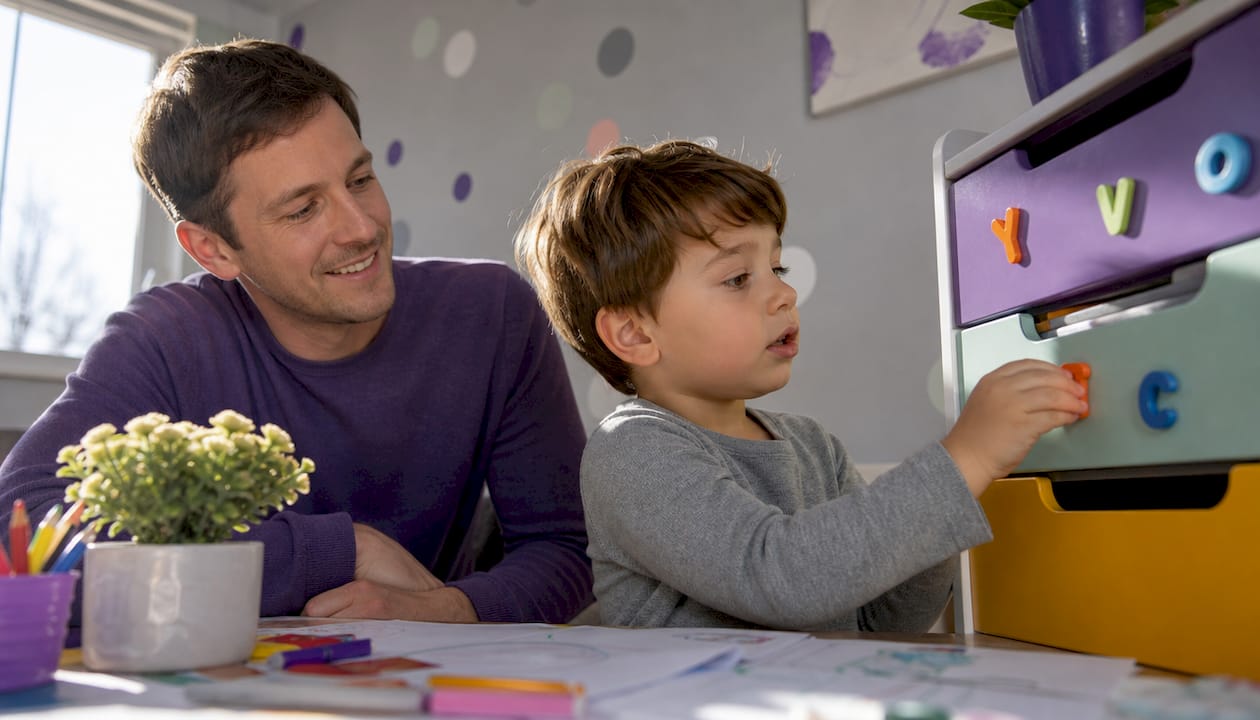
Physical closeness during reading adds another layer. Holding a child while reading activates brain regions that make children more receptive to language and cognitive stimulation. Hearing the words alone is less effective than hearing them while being held. That physical contact is not a bonus. It is part of the mechanism.
| Developmental domain | Observed benefit |
|---|---|
| Communication | 5.5-point higher ASQ-3 score at age 3 |
| Motor skills | Improved fine and gross motor coordination |
| Problem solving | Stronger cognitive flexibility and persistence |
| Social behavior | Better peer interaction and emotional regulation |
Pro Tip: Read at the same time each day. Consistency matters more than duration. Even ten minutes of daily shared reading builds the neural pathways that support language and emotional regulation.
What literacy activities beyond books build family engagement?
Books are the anchor, but they are not the only tool. A study published in the Early Childhood Education Journal found that 65% of parents used literacy-related materials like magnetic letters and word games with their children daily. That number tells you something important: most engaged parents are already doing more than reading. They are turning the kitchen fridge into a learning space.
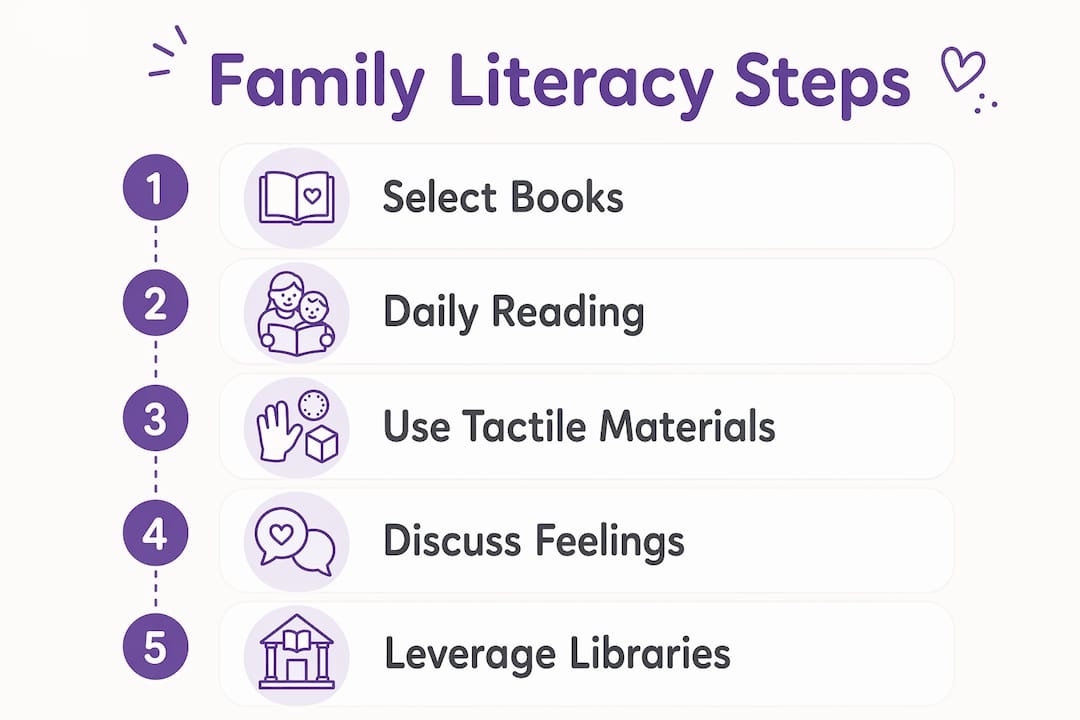
The payoff is real. Child proficiency in name writing correlated strongly with tactile literacy material use, with a correlation coefficient of 0.52. That is a strong relationship in developmental research. When a child arranges magnetic letters to spell their own name, they are building print awareness, fine motor control, and a sense of authorship all at once.
Turning literacy into play is the key shift. When a parent frames writing as a game rather than a task, children initiate the activity themselves. Self-directed literacy play produces stronger motivation and better skill retention than structured instruction at this age.
Here are practical literacy activities that work alongside books:
- Magnetic letter play on the fridge, starting with the child's name
- Drawing and labeling pictures together after reading a story
- Making simple homemade books with the child as the main character
- Playing "I spy" with letters and words on signs during errands
- Asking the child to "read" a familiar book back to you from memory
Family literacy also connects to larger systems. Institutional support, including library programs, school partnerships, and community literacy events, reinforces what parents do at home. No family builds literacy in isolation.
Why does reading together matter emotionally, not just academically?
The emotional case for shared reading is stronger than most parents realize. Research shows that joint attention during reading builds a secure base for children, shaping their expectation that caregivers will respond to their needs. That expectation is the foundation of emotional regulation. A child who feels securely attached explores more, takes more learning risks, and recovers faster from frustration.
"Emotional benefits of shared reading, such as joint attention and bonding, are often overlooked but are crucial for nurturing a lifelong love of reading. Shared reading helps shield children from social inequalities by promoting early developmental milestones and school readiness." The Conversation, citing developmental literacy research
Reading also gives families a structured moment to discuss complex feelings. A picture book about a character who feels left out opens a conversation that a parent might struggle to start cold. The story does the heavy lifting. The parent just has to stay present and follow the child's lead.
The emotional benefits of reading together often outlast the academic ones. Children who associate books with warmth and closeness become readers by choice, not by obligation. That is the outcome worth aiming for.
Key emotional benefits of reading together:
- Builds secure attachment through consistent caregiver responsiveness
- Creates a calm, predictable ritual that reduces bedtime anxiety
- Opens natural conversations about fear, loss, friendship, and fairness
- Reinforces that the child's feelings are worth discussing and naming
Pro Tip: After finishing a book, ask your child one open question: "How do you think that character felt?" You do not need to teach a lesson. Just listen. That conversation is where the emotional growth happens.
How can parents build a family reading routine that actually sticks?
A reading routine works when it is attached to something that already happens every day. Bedtime is the most reliable anchor. Daily bedtime reading is recommended by childhood development authorities as the single most effective way to maximize brain, language, and emotional development benefits. The routine signals to a child's nervous system that the day is winding down, which makes the reading itself more absorbing.
Here is a practical framework for building a routine that lasts:
- Pick a fixed time. Bedtime works for most families. The consistency of the time matters more than the length of the session.
- Let the child choose the book. Child-selected books produce more engagement and more questions. A child who picks the story feels ownership over the reading.
- Use your voice. Different voices for different characters, pauses before surprises, and slower pacing during emotional moments all deepen comprehension and enjoyment.
- Ask questions during the story. "What do you think happens next?" keeps a child actively processing rather than passively listening.
- Visit the library monthly. Community library programs reduce family isolation and correlate with lower stress markers that affect child behavior. A library visit is a family reading activity, not just a book pickup.
- Try personalized books. A book where your child is the named hero produces a different level of engagement. The child recognizes themselves in the story, which deepens both attention and emotional connection.
Pro Tip: Keep a small basket of books next to wherever your child eats breakfast. Casual morning reading, even for five minutes, adds up to hours of exposure over a month without feeling like a scheduled activity.
Choosing books that reflect your child's actual interests and experiences matters more than choosing award-winning titles. A child obsessed with trucks will engage more deeply with a truck story than with a celebrated classic that does not speak to them yet. Meet them where they are. The love of reading grows from there.
Key Takeaways
Shared reading is the most consistent daily practice that builds a child's language, emotional security, and cognitive development simultaneously.
| Point | Details |
|---|---|
| Daily reading frequency | Reading together every day produces measurable gains in communication, motor skills, and social behavior. |
| Physical closeness counts | Holding a child while reading activates brain regions that increase receptiveness to language. |
| Play-based literacy | Tactile activities like magnetic letters strongly correlate with early writing proficiency. |
| Emotional bonding | Joint attention during reading builds secure attachment and a lifelong association between books and warmth. |
| Community resources | Library programs and literacy events reinforce home reading and reduce family stress. |
What I've learned after years of watching families read together
Most parents I talk to think the goal of reading to their kids is to teach them to read. That framing puts all the pressure in the wrong place. The child who learns to decode words but has no emotional memory attached to books will stop reading the moment no one is requiring it.
What actually creates a reader for life is the feeling. The memory of being held, of a parent doing a ridiculous voice for the villain, of asking "what happens next?" and having someone take the question seriously. That is what I keep coming back to. Consistency beats perfection every time. A five-minute reading session done every night at the same time is worth more than a forty-minute session done whenever you remember.
I also think parents underestimate how much a child's sense of identity is wrapped up in the stories they encounter. When a child sees a character who looks like them, shares their name, or faces a problem they recognize, something clicks. The book stops being an object and starts being a mirror. That recognition is why personalized children's books work so well as an engagement tool, not because they are fancy, but because they make the child feel seen. And a child who feels seen in a story will ask to read it again.
— Jason
A reading experience built around your child
If you want to take shared reading a step further, Adventuresofbook creates original storybooks where your child is the actual hero. Not a template with a name swapped in. The AI generates a completely original story and illustrations based on photos you upload, so the character in the book genuinely resembles your child.
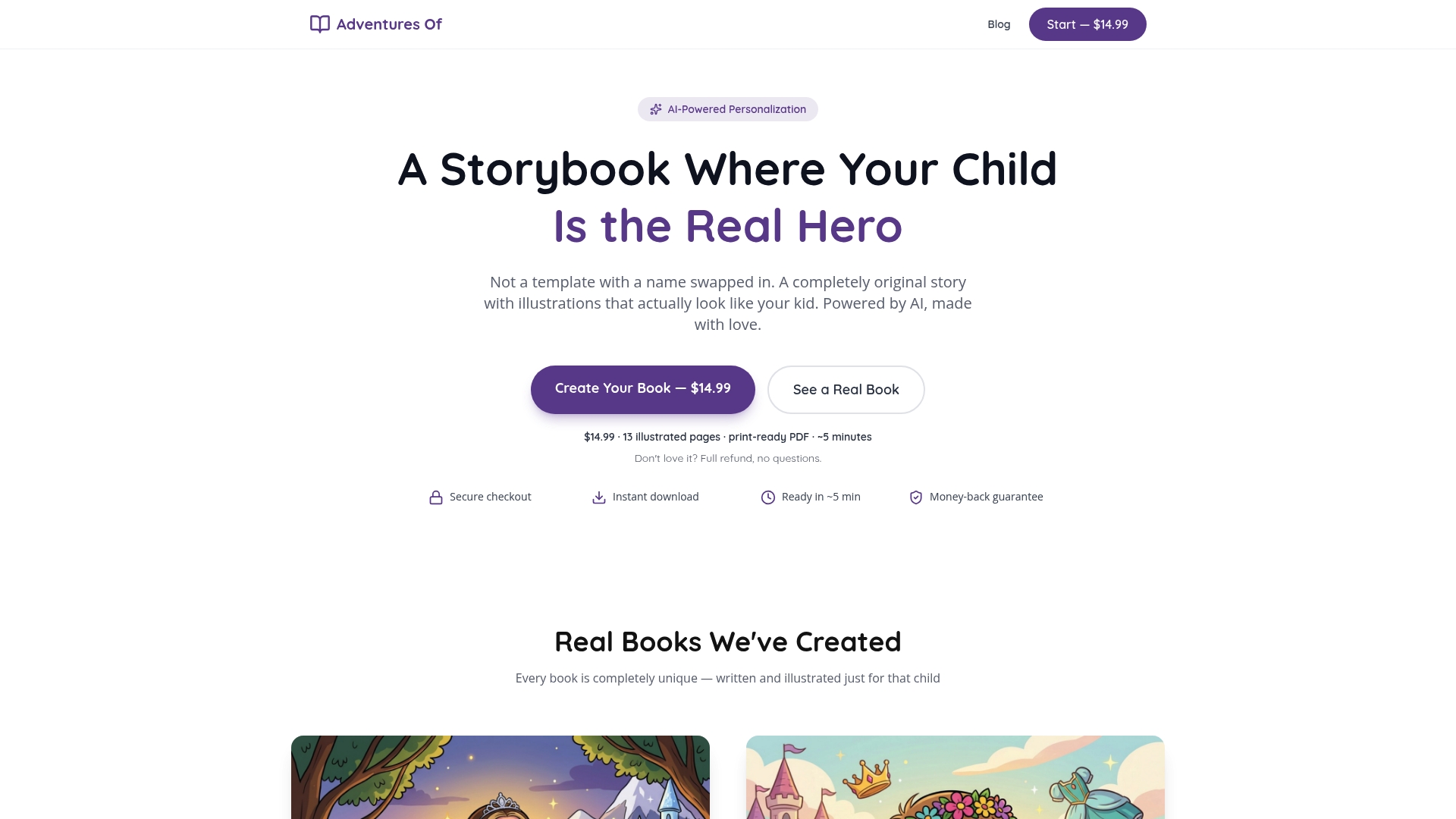
The whole process takes about five minutes. You get a print-ready 8.5x8.5 PDF with 13 illustrated pages for $14.99, with a 7-day refund if it does not land the way you hoped. It is a straightforward way to put your child at the center of a personalized storybook that makes bedtime reading feel like a genuine event. For families already building a reading routine, it is a natural addition that deepens the emotional connection to books.
FAQ
What is the role of books in family engagement?
Books create structured moments of joint attention between caregivers and children, building language, emotional security, and cognitive skills simultaneously. The American Academy of Pediatrics identifies shared reading as a foundational parenting practice from birth through kindergarten.
How often should parents read to young children?
Childhood development authorities recommend sharing at least one book daily. Consistent daily reading produces the strongest gains in communication, problem solving, and emotional regulation.
Do personalized books help children engage more with reading?
A book where the child recognizes themselves as the hero produces stronger attention and emotional connection than a generic story. That recognition encourages children to request the book repeatedly, reinforcing the reading habit.
What activities support literacy beyond reading aloud?
Tactile activities like magnetic letter play, drawing and labeling pictures, and making simple homemade books all build print awareness and early writing skills. Research shows that child proficiency in name writing correlates strongly with regular use of these materials at home.
How do libraries support family reading engagement?
Community library programs and literacy events reduce family isolation and correlate with lower stress markers that affect child behavior. Regular library visits also give children ownership over book selection, which increases engagement.