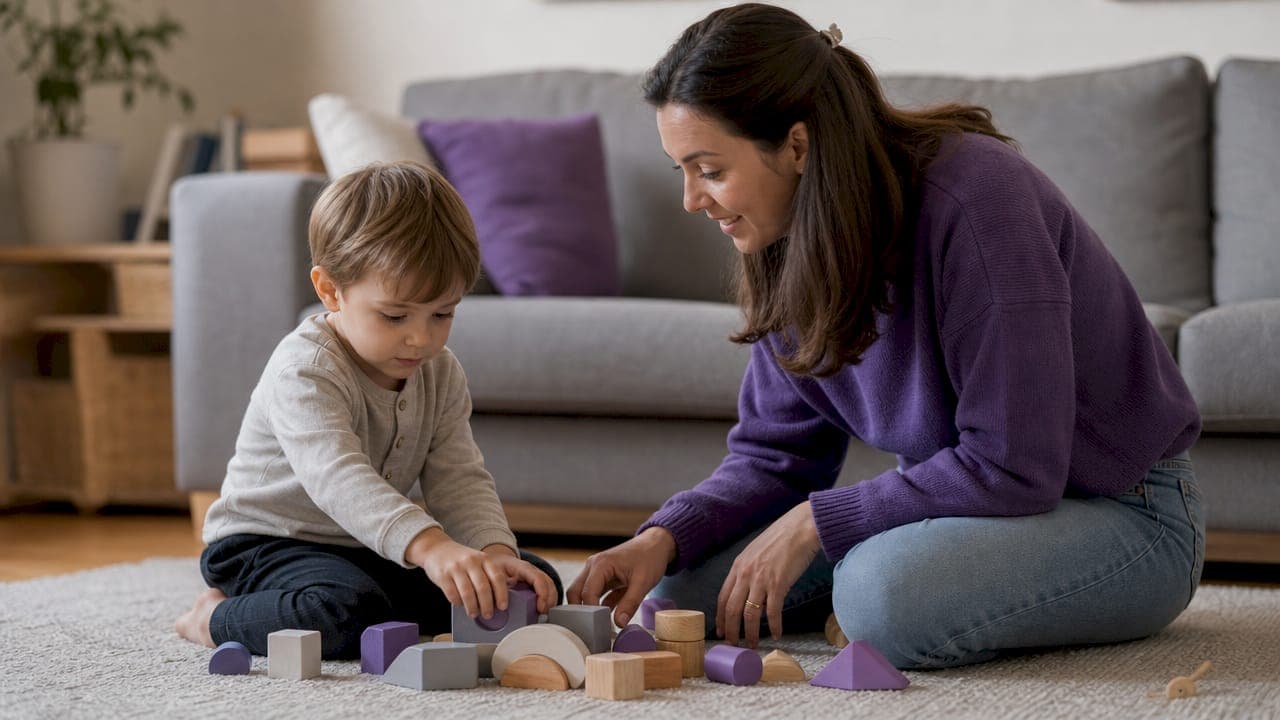
Selecting content for customized books means choosing story themes, characters, and details that genuinely reflect your child's personality, interests, and developmental stage. The right content turns a personalized storybook from a novelty gift into a book your child asks for every night. Services like Adventuresofbook use AI and real uploaded photos to generate original stories built around one specific child, which means the content decisions you make before creation directly shape how meaningful the final book becomes. This guide walks you through exactly how to make those decisions well.
How to select content for customized books that truly fit your child
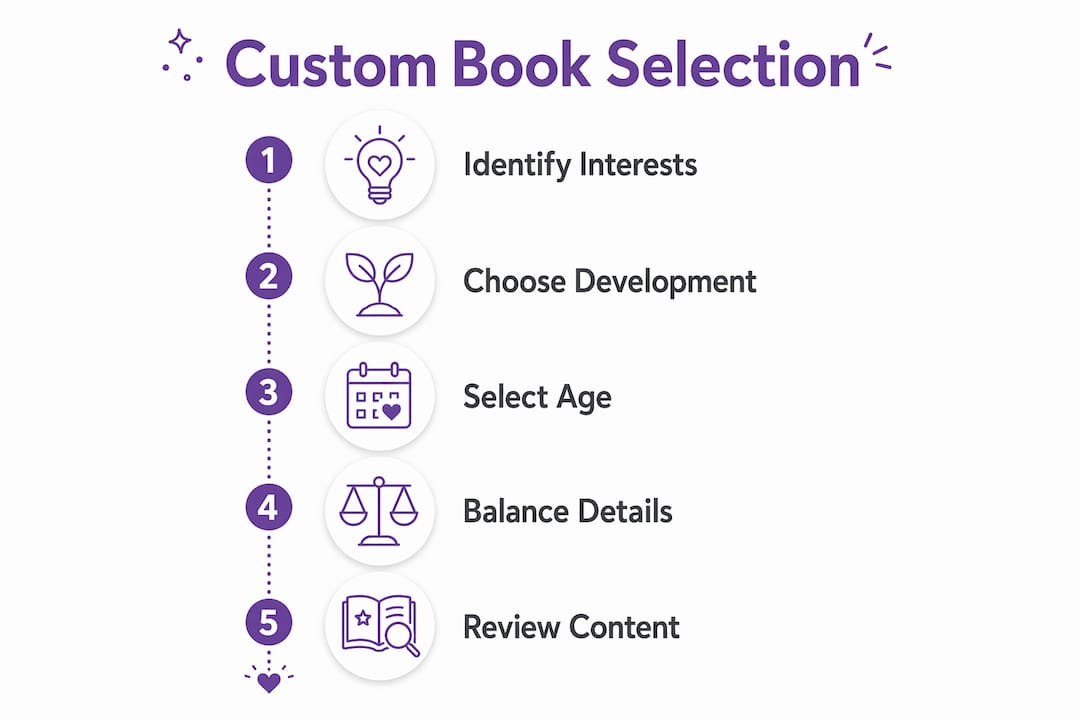
The most practical framework for choosing personalized book content starts with five questions: What is your child trying to achieve right now? What motivates them daily? What is their reading purpose (bonding, learning, or entertainment)? What context do they already understand? And how will the book actually be used? Answering these five questions gives you a clear filter for every content decision that follows. A topic that scores well on all five is almost always the right one.
Children's developmental goals shift fast. A three-year-old working on sharing is in a completely different place than a six-year-old building reading confidence or a seven-year-old obsessed with space. Matching the book's theme to the child's current goal, not a general age bracket, is what separates a book that gets read twice from one that becomes a bedtime staple.
Here is a numbered approach to identifying the right content direction:
- Write down three things your child talks about most this month. Not last year's interests. This month's. Kids move fast.
- Identify one developmental goal. Confidence, empathy, trying new foods, managing big emotions. Pick one and let it shape the story's arc.
- Decide the reading purpose. Bedtime wind-down, morning motivation, or a learning moment each serve different content needs.
- Think about who reads with them. A book for solo reading needs simpler vocabulary. A shared reading book can carry more complexity because a parent fills the gaps.
- Consider re-readability. The best personalized books get read 20 or 30 times. Content that rewards repetition, with predictable phrases or a satisfying ending, builds that habit.
Pro Tip: Write the child's name and three current interests on a sticky note before you start any customization process. Keep it visible. Every content decision should pass through that filter.
What makes content age-appropriate for a personalized storybook?
Age-appropriate content is not just about vocabulary. It covers attention span, emotional complexity, and the kind of familiarity that makes a child feel safe inside a story. Shared reading from birth through kindergarten is strongly recommended by the American Academy of Pediatrics as a core part of early development, which means the content you choose carries real developmental weight, not just entertainment value.

For children under four, content should center on simple cause-and-effect plots, familiar settings like home or a playground, and one clear emotional payoff per story. For ages four to seven, you can introduce a mild challenge the child-character must overcome, which mirrors real-life confidence building. For ages seven and up, richer subplots and more nuanced emotions work well, especially when tied to the child's actual hobbies.
A few practical criteria to check before finalizing content:
- Vocabulary match. If your child cannot read the words independently, the book works best for shared reading. Design the content with that in mind.
- Familiar themes. Books connected to a child's language and culture improve the shared reading experience measurably. Choose settings and scenarios your child already recognizes.
- Short, repeatable structure. Short nightly stories compound vocabulary and routine strength more effectively than occasional long sessions. Content that fits a 10-minute bedtime slot gets used far more often.
- One clear emotional arc. A single problem and resolution keeps younger children engaged from page one to the last page.
Pro Tip: Test your content choice by asking: "Would my child recognize themselves in this story without seeing their name?" If the answer is yes, the theme is specific enough. If not, go narrower.
How to balance personalization details with meaningful story content
Personalization in children's books refers to the practice of embedding a child's name, likeness, and personal details into a story's narrative and illustrations. The risk most parents do not anticipate is over-personalization. When a child's name appears on every page and every illustration zooms in on their face, the story itself gets crowded out. Unnatural or excessive personalization distracts from the story's emotional impact rather than strengthening it.
The goal is for the child to feel like the hero because the story reflects their world, not because their name is repeated 40 times. Here is how to keep that balance:
- Use the child's name at key emotional moments, not as a filler word throughout. The name lands harder when it appears at a turning point.
- Let the plot carry the personalization. A story about a child who loves dinosaurs and has to solve a mystery in a museum does more for engagement than a generic adventure with a name swap.
- Choose one or two personal details to anchor the story. A favorite color, a pet's name, or a real hobby. More than two details often feel like a checklist rather than a story.
- Prioritize theme and emotional goal over biographical accuracy. The story does not need to be a documentary. It needs to resonate.
When you look at how Adventuresofbook approaches this, the AI generates an original plot and illustrations based on uploaded photos of the child, which means the personalization is visual and structural, not just cosmetic. That is a meaningful difference from template books where a child's name is dropped into a pre-written story that was never about them. You can read more about that distinction in this personalized vs. template book breakdown.
What are the most common mistakes when choosing content for custom books?
The most common mistake is selecting a topic that sounds impressive to adults but holds no genuine interest for the child. A book about perseverance and global citizenship sounds wonderful. A book about a kid who loves soccer and has to find a missing ball before the big game is what a six-year-old actually finishes reading. A topic's usefulness to the reader matters more than its impressiveness to the gift-giver.
Here are the four most frequent content mistakes, ranked by how often they derail an otherwise good book:
- Choosing a theme that's too broad. "Adventure" is not a theme. "A child who is afraid of the dark discovers a glowing cave full of friendly creatures" is a theme. Specificity is what makes a story feel personal.
- Selecting content above the child's reading level without a plan for shared reading. A book that frustrates a child gets abandoned. If you want richer content, commit to reading it together.
- Ignoring re-readability. Content that surprises on the first read but offers nothing on the fifth read does not build routine. Clear structure and emotional hooks encourage the kind of repeatability that compounds literacy growth over time.
- Skipping cultural and linguistic relevance. Books connected to a child's native language and ethnicity foster comfort and better engagement. A child who sees their own world reflected in a story reads with more attention and retention.
| Mistake | Better approach |
|---|---|
| Theme too broad or generic | Choose a specific scenario tied to a current interest |
| Content above reading level | Match vocabulary to the child or plan for shared reading |
| Low re-readability | Build in predictable phrases and a satisfying emotional payoff |
| Ignoring cultural context | Reflect the child's real language, setting, and background |
Step-by-step guide to creating customized book material
This six-step process works whether you are using an AI-powered service like Adventuresofbook or working with any other personalized children's book provider.
- Define the child's current interests and one developmental goal. Write both down. This is your brief. Everything else flows from it.
- Choose a story genre and theme aligned with those goals. Fantasy, adventure, and slice-of-life all work. Pick the one that matches the child's current reading preferences and the emotional goal you identified.
- Select age-appropriate language and reading style. Decide whether this is a solo reading book or a shared reading book. That single decision shapes vocabulary, sentence length, and story complexity.
- Personalize key elements thoughtfully. Name, one or two physical details from uploaded photos, a familiar setting, and one personal interest. That is enough. Resist the urge to add more.
- Preview and test for engagement. Read the draft aloud to yourself. Does it hold attention for 10 minutes? Does it have a clear emotional payoff? Would you want to read it again tomorrow night? If yes to all three, it is ready.
- Create the book with your chosen provider. For a fully original story with AI-generated illustrations built from real photos, Adventuresofbook completes the entire process in about five minutes. For a broader look at the creation process, this guide on making a personalized children's book covers the practical steps in detail.
| Step | What to decide |
|---|---|
| 1. Interests and goals | Current hobby plus one developmental aim |
| 2. Genre and theme | Specific scenario, not a broad category |
| 3. Language level | Solo reading or shared reading |
| 4. Personalization details | Name, one setting, one personal interest |
| 5. Preview test | Reads well aloud, has emotional payoff, re-readable |
| 6. Create | Choose provider, upload details, generate |
Key takeaways
The best content for a customized children's book is the content that fits the child's current interests, developmental stage, and reading habits closely enough that they finish it and ask for it again.
| Point | Details |
|---|---|
| Match content to current interests | Use this month's obsessions, not last year's, to pick the story theme. |
| Age-appropriate structure matters | Short, repeatable stories with clear emotional arcs outperform long, complex ones for young readers. |
| Personalize with restraint | Use the child's name and details at key moments, not throughout, to keep the story coherent. |
| Avoid impressive-sounding topics | Choose themes the child will recognize and finish, not themes that impress adults. |
| Re-readability drives literacy | Content with predictable structure and satisfying payoffs builds the nightly routine that compounds language growth. |
What I have learned from watching kids actually read their custom books
I have seen parents put real effort into ordering a personalized book, only to watch the child flip through it once and move on. Almost every time, the content was chosen for the parent, not the child. The theme was broad, the vocabulary was a stretch, or the story was essentially a generic plot with a name dropped in. The book looked personal. It did not feel personal.
The books that get read every night share one quality: the child sees their actual life in the story. Not a flattering version. Not an aspirational version. Their real current world, with their real current interests, reflected back at them. That specificity is what shared reading builds on, and it is what makes the difference between a book that sits on the shelf and one that gets worn out.
The other thing I have noticed is that parents consistently underestimate re-readability. A book that works on the 30th read is a different product than one that works on the first. Content with a predictable rhythm, a clear emotional beat, and a satisfying ending gets requested again. That repetition is not just cute. It is how vocabulary sticks and how reading routines form. If you are choosing content for a customized book, optimize for the 20th read, not the first impression.
— Jason
See your child as the real hero of an original story
If you have worked through the steps above and you know your child's current interests, their developmental goal, and the kind of story that will get read every night, Adventuresofbook is built for exactly that moment.
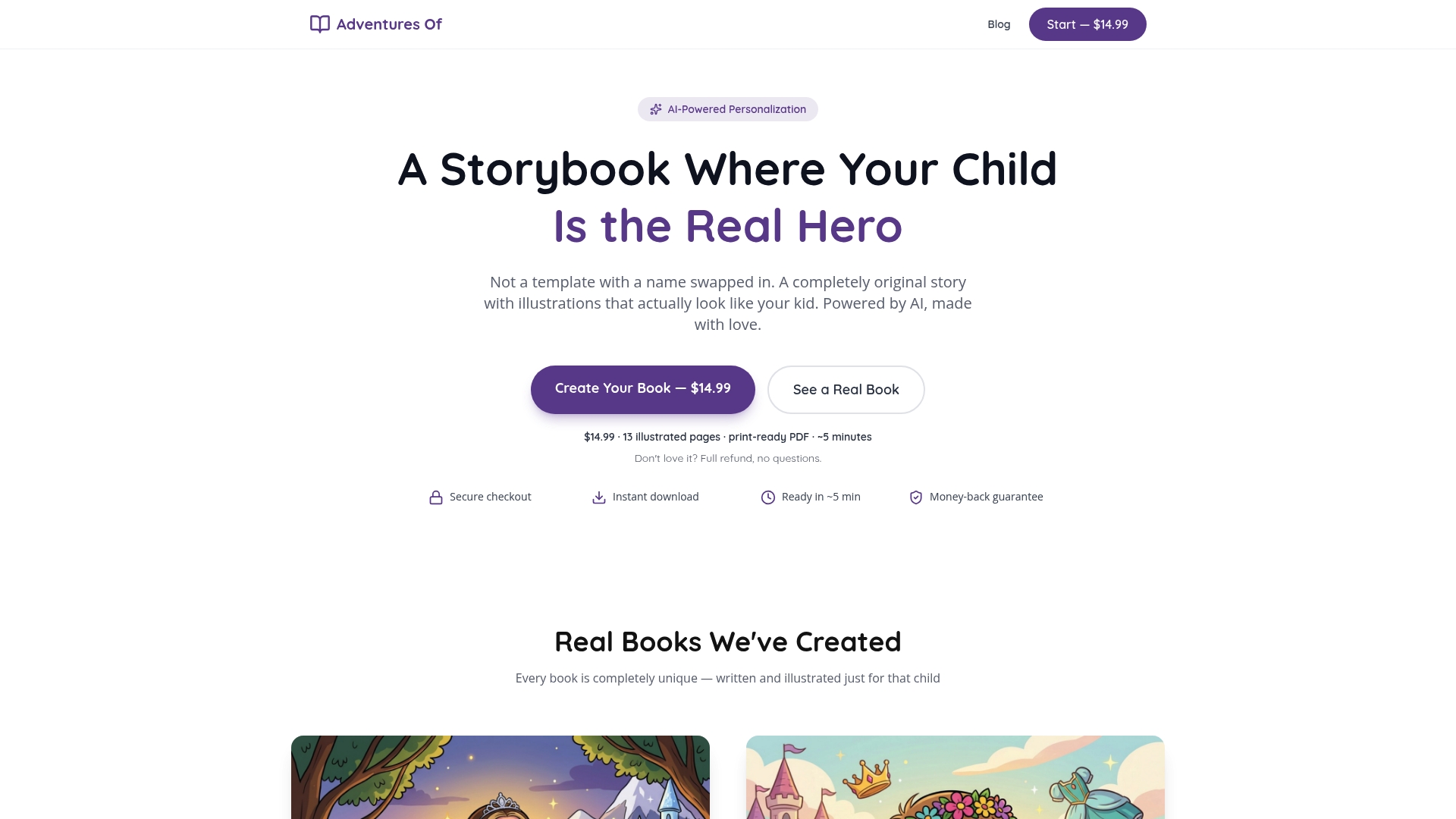
Upload a photo of your child, share a few details about their personality and interests, and the AI generates a completely original story with illustrations that actually look like your child. No templates, no name-swap mechanics. One child, one original book, ready in about five minutes. The result is a print-ready 8.5x8.5 PDF with 13 illustrated pages, priced at $14.99 with a 7-day refund policy. Start creating at Adventuresofbook and see what a book built around your specific child actually looks like.
FAQ
What is the most important factor when choosing content for a custom book?
The single most important factor is matching the story theme to the child's current interests and one clear developmental goal. A topic that fits the child's real life right now is far more likely to be finished and re-read than one chosen for its general educational value.
How do I personalize a children's book without overdoing it?
Use the child's name at key emotional moments rather than throughout, and anchor the story to one or two personal details like a favorite hobby or a familiar setting. Excessive personalization distracts from the story's impact rather than strengthening it.
How often should a child read their personalized book?
Short nightly readings beat occasional long sessions for both vocabulary growth and routine building. A personalized book designed for a 10-minute bedtime slot gets used far more consistently than one built for a single longer reading experience.
Does cultural background matter when selecting book content?
Yes. Books that reflect a child's language and cultural background produce measurably better engagement during shared reading. Choosing settings and characters that mirror the child's real world makes the story feel familiar and safe, which keeps younger readers attentive.
What age is best for a personalized storybook?
Personalized storybooks work from infancy through early elementary school, with the content adjusted for each stage. For babies and toddlers, simple plots and familiar settings work best. For ages four through seven, a mild challenge the child-character overcomes builds both engagement and confidence.
Recommended
- How to Make a Personalized Children's Book (Without Losing a Saturday) | Adventures Of
- Personalized Books vs. Template Books: What's the Actual Difference? | Adventures Of
- Personalized Children's Books — Starring Your Kid | Adventures Of
- How Long Does It Take to Make a Custom Children's Book? | Adventures Of