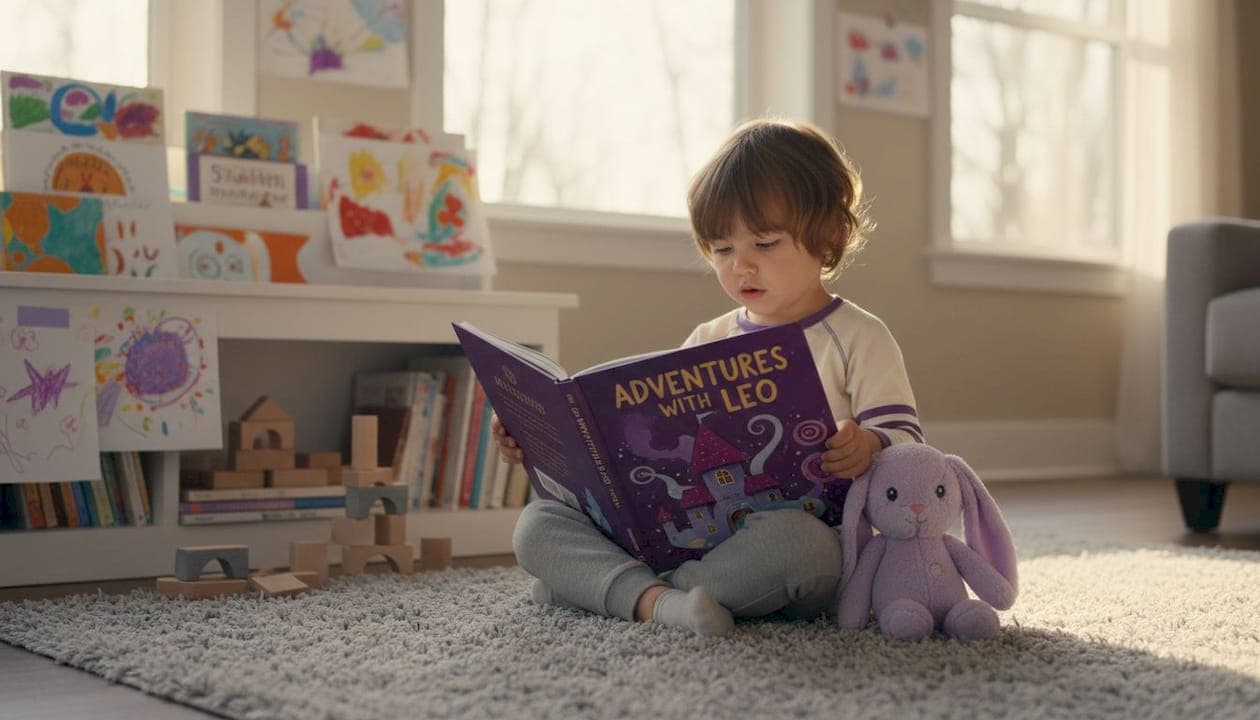
When a child opens a book and finds a character who looks just like them, goes on adventures with their name in the title, and shares their favorite things, something clicks. Research published in 2025 found that personalization significantly improves story retelling, text comprehension, and verbal and behavioral involvement during shared reading, with children of color benefiting even more due to how rarely they see themselves represented in mainstream books. This isn't just a feel-good story. It's a real educational advantage, and this guide breaks down exactly how it works and what you can do to make the most of it.
Table of Contents
- What makes personalized storybooks educationally powerful?
- Personalized stories vs. traditional books: How do they compare?
- Key educational benefits for different types of readers
- How to choose and use personalized books for maximum learning
- Why the best learning comes from seeing yourself in the story and what most parents miss
- Find your child's adventure: Build connection and skills with a storybook made just for them
- Frequently asked questions
Key Takeaways
| Point | Details |
|---|---|
| Self-reference boosts learning | Personalized stories deepen comprehension by putting your child at the center of the narrative. |
| Greater gains for all readers | Every child benefits, but reluctant and underrepresented readers show the biggest improvements. |
| Blend book types for best results | Use personalized and traditional titles together to maximize engagement and broaden perspectives. |
| Reading routines multiply impact | Making storytime with personalized books a habit strengthens both educational outcomes and family connection. |
What makes personalized storybooks educationally powerful?
Now that we've established that personalized books work, let's look at why they're so effective from a learning perspective.
The short answer is that children learn better when they feel personally connected to what they're reading. When your child's name appears on the page, or when they recognize their own face in the illustrations, their brain treats the story as something that happened to them. That sense of ownership changes how much attention they pay, how long they stay engaged, and how well they remember what happened.
This process is rooted in something researchers call the self-reference effect. Self-reference boosts memory and the way a child binds story details together in their mind, making comprehension sharper and recall stronger. In plain terms, kids remember stories better when they see themselves in them.
Here are the core reasons personalized storybooks work so well educationally:
- Emotional engagement: Children are emotionally invested from the first page, which naturally extends reading time and attention spans.
- Repeat reading: Kids want to re-read books where they're the star. Every re-read reinforces vocabulary, sentence structure, and comprehension.
- Identity and ownership: A book that features your child's likeness signals that stories are for them, building a positive association with reading that can last for years.
- Motivation for reluctant readers: Kids who normally resist sitting still for a book are more likely to stay engaged when the main character shares their name, looks like them, or loves the same things they do.
Understanding how different children's book genres activate different parts of a child's development is also helpful. Adventure, friendship, and problem-solving stories each offer unique learning value. When you combine those genres with personalization, the effect multiplies.
"The self-reference effect isn't just a classroom theory. It's something parents can harness every single night at bedtime, simply by choosing books where the child sees themselves reflected."
Exploring the difference between personalized vs. template books shows just how much that reflection matters. A template book might swap out a name, but a truly personalized book builds the child's identity and likeness into the entire story. That's a meaningful distinction.
Personalized stories vs. traditional books: How do they compare?
Understanding the mechanisms is one thing, but how do personalized books actually stack up against traditional storybooks?
Traditional books are wonderful. Nobody is saying otherwise. But they're designed for a broad audience, which means most children will encounter characters who don't look like them, don't share their background, and don't reflect their experiences. For many kids, this is fine. For others, it quietly sends the message that stories aren't really about people like them.
Children of color benefit more from personalized books specifically because they're underrepresented in mainstream children's literature. When a Black child, a Latino child, or an Asian child sees a character that shares their features and name, the effect on engagement and comprehension is measurably stronger than it is for children who already see themselves in books regularly.
Here's a side-by-side comparison to make this clearer:
| Feature | Personalized storybook | Traditional storybook |
|---|---|---|
| Character resemblance | Matches the child's appearance | Generic or culturally limited |
| Name inclusion | Child's actual name used | Fixed character name |
| Engagement level | Higher, especially for reluctant readers | Varies by child and story |
| Story recall | Stronger due to self-reference | Depends on relatability |
| Representation | Built-in and intentional | May be limited |
| Motivation to re-read | Higher because child is the hero | Depends on how much they liked it |
| Identity reinforcement | Strong and consistent | Minimal |
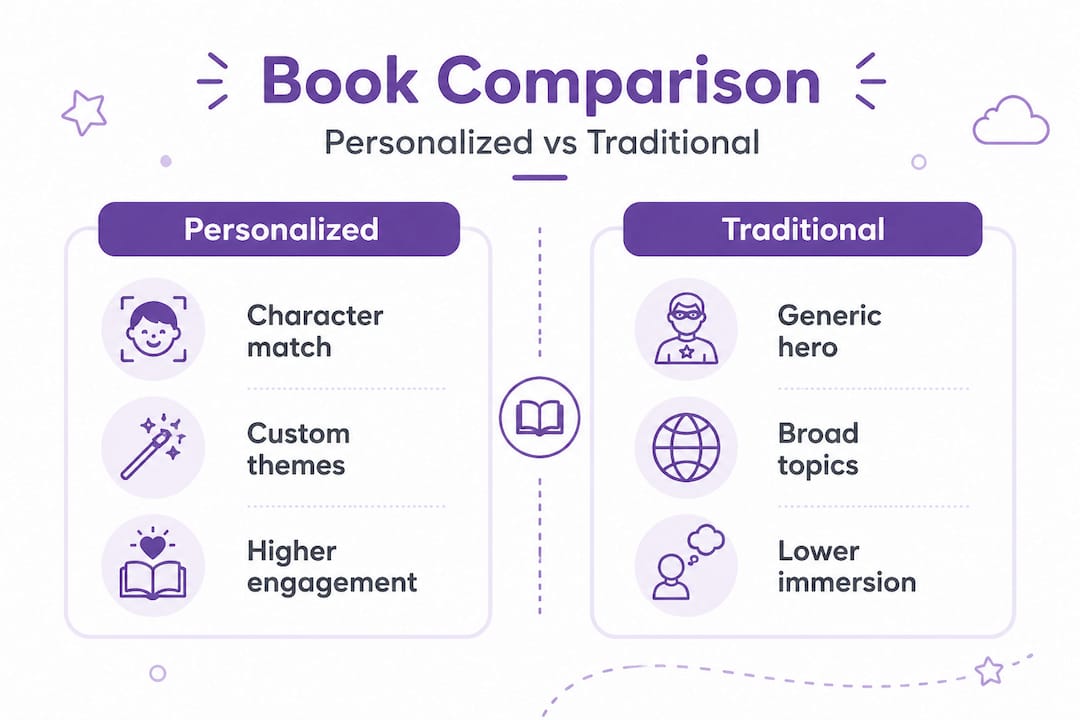
The gap doesn't mean traditional books should be replaced. They should absolutely remain part of your child's reading life. But diversity in children's books matters deeply, and personalized books fill a gap that even the most thoughtfully curated traditional library often misses.
When making personalized children's books part of your child's reading rotation, you're not replacing variety. You're adding depth.
Pro Tip: Pair a personalized storybook with two or three diverse traditional titles each month. Your child gets the confidence boost of seeing themselves as the hero, plus the empathy and curiosity that comes from exploring characters who are different from them.
Key educational benefits for different types of readers
To go further, let's explore which children stand to gain most from personalized stories and how to maximize the benefits for every reader.
The research shows measurable gains across the board, but certain groups see particularly strong results.
Young and early readers are building the mental frameworks they'll use for literacy throughout their entire lives. When they encounter a familiar character (themselves), they're more likely to follow along, ask questions, and absorb new vocabulary without the cognitive friction of trying to relate to an unfamiliar name or face. These early positive experiences with books set the tone for how children feel about reading for years to come. Practical tips for early readers consistently point to relatability and engagement as the most powerful factors in building reading habits.
Reluctant readers are often the biggest beneficiaries. A child who usually needs coaxing to sit through a bedtime story will often request a book where they are the main character. That shift, from resistance to request, is enormously significant for a parent trying to build a reading routine.
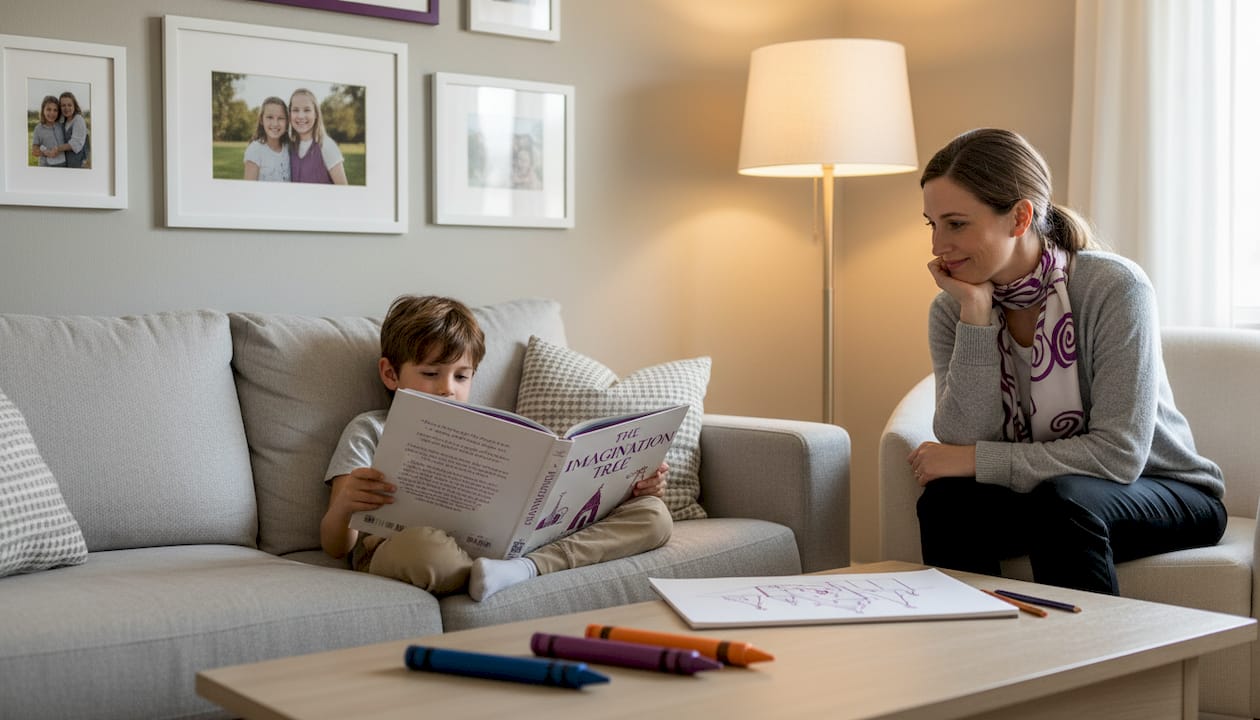
Children from underrepresented backgrounds gain something that goes beyond literacy skills. Seeing themselves as the central character in an adventure, a mystery, or a story about kindness communicates something powerful: that they belong in stories and that their lives are worth writing about. Edge cases show greater gains for minority children and reluctant readers, though researchers also note the importance of balancing personalized books with diverse literature that features other perspectives and communities.
Even avid readers benefit. Children who already love books respond to the novelty and the self-reference effect. The memory-boosting mechanisms apply regardless of reading level, meaning that strong readers also retain more from personalized stories than from comparable traditional ones.
Here's a quick breakdown by reader type:
- Early readers: Build positive associations with books; increase vocabulary retention through familiarity.
- Reluctant readers: Shift from avoidance to active engagement; reduce friction during reading time.
- Underrepresented children: Strengthen identity, confidence, and sense of belonging through self-portrayal.
- Avid readers: Reinforce comprehension skills; bring fresh enthusiasm through self-reference novelty.
Choosing the right custom storybook gifts for a specific child means thinking about which of these categories applies to them and selecting a story theme and format that matches their personality and reading stage.
Pro Tip: After reading a personalized book together, ask your child to retell the story in their own words. This simple activity, sometimes called "narration," is one of the most powerful comprehension tools available, and it's even more effective with personalized stories because the child already feels connected to the plot.
How to choose and use personalized books for maximum learning
Knowing the value, you might wonder how to select and use these books for real learning, not just fun. Here's how to get started.
Not every personalized book is made the same way. Some swap out a name in a prefabricated template. Others, like AI-generated books that use your child's actual photo and details to build an original story, offer a much deeper form of personalization. The quality of the story itself also matters. A well-written plot with age-appropriate vocabulary will always outperform a thin story that merely features the child's name.
When choosing a personalized book, consider:
- Depth of personalization: Does the book only swap a name, or does it incorporate the child's appearance, interests, and real details?
- Story quality: Is the plot engaging and age-appropriate? Does it have a clear arc, interesting challenges, and a satisfying resolution?
- Illustration quality: Are the images detailed and expressive? Do they help tell the story, not just decorate the page?
- Print quality (if physical): Is the book printed on durable, child-safe materials that hold up to frequent reading?
Once you've chosen a book, how you use it matters just as much. Personalization improves verbal and behavioral involvement during shared reading, which means your role as the reading partner amplifies the effect.
Here's a practical read-aloud approach that boosts learning:
- Preview the cover together: Ask your child what they think will happen. Prediction is a core comprehension skill.
- Read with expression: Match your tone to what's happening in the story. Excitement, suspense, and humor all increase engagement.
- Pause at key moments: Stop and ask, "What do you think they should do next?" This keeps your child actively processing the story rather than passively listening.
- Retell together after reading: Take turns summarizing what happened. For younger children, prompt them with open questions like "What happened when the hero discovered the map?"
- Connect the story to real life: Ask if they've ever felt the same way a character did, or experienced something similar. This deepens emotional processing and retention.
For variety, explore children's book themes that match what your child is curious about right now, and use personalized books as the anchor in a mix that also includes library books, series, and classroom favorites. A helpful gift guide for bookish kids can help you think through how to build a meaningful reading collection that grows with your child.
Why the best learning comes from seeing yourself in the story and what most parents miss
Here's a candid perspective from working with countless families on what really makes a difference.
Most parents discover personalized books through a birthday or holiday and treat them as a one-time novelty. The child loves it, the book gets read twice, and then it sits on a shelf. That's a missed opportunity.
The real magic happens when personalized books become part of a regular reading routine, not just a special-occasion gift. A child who encounters themselves as the hero of a story once feels delighted. A child who encounters that story repeatedly, every week, starts to internalize something deeper: that they are curious, capable, and worthy of adventures. That's the identity work that personalized books can do when used intentionally.
We've also noticed that parents sometimes underestimate how much their enthusiasm matters. When you sit down to read a personalized book with genuine excitement, pointing out the illustrations, laughing at the funny parts, asking questions, you signal to your child that reading is a joyful, meaningful activity. That signal sticks.
The other thing most parents miss is the conversation potential. A personalized storybook is a natural conversation opener. You can talk about what your child would have done in the hero's situation, what they'd pack for the adventure, or how they'd solve the problem. These conversations build vocabulary, critical thinking, and emotional intelligence simultaneously.
Exploring what personalized children's books can genuinely offer reveals that the product itself is just the starting point. The ongoing value comes from how you use it. A truly personalized book, one built from your child's actual photo and interests, becomes a reference point for who they are right now and who they're growing into. That's worth more than any generic gift on a shelf.
Find your child's adventure: Build connection and skills with a storybook made just for them
Ready to turn this new knowledge into a fun, meaningful reading experience for your child? Here's how to take the next step.
At Adventures of Book, we create fully original AI-generated storybooks where your child is the star. No templates, no generic characters swapped with a name. You upload a photo, share a few details, and in about five minutes, you have a one-of-a-kind book with illustrations that actually look like your child.
Browse our personalized children's storybooks to find a story theme your child will love, from bold adventures to sweet friendship tales. If you have a little one at home, our custom baby books are also a beautiful way to create something they'll grow up treasuring. Every book is instantly downloadable and print-ready, backed by a money-back guarantee, so there's no risk in trying.
Frequently asked questions
Do personalized storybooks really improve learning outcomes?
Yes, studies show that personalized books boost children's understanding and story recall by activating the self-reference effect, which makes information easier to retain and recall long after reading.
Are personalized books suitable for all ages?
While young children benefit most, personalized storybooks work well across a wide range of ages, with greater gains shown for reluctant readers and children from minority backgrounds who rarely see themselves in mainstream books.
Do personalized books help children who struggle with reading?
Absolutely. Reluctant readers who normally resist sitting down with a book often show stronger engagement when the main character looks like them, shares their name, and goes on adventures tailored to their interests.
How should parents balance personalized and traditional books?
Mixing both types gives children the best results. Researchers highlight the value of balance between personalized books that build identity and confidence and diverse traditional titles that broaden empathy and expose children to a range of experiences and perspectives.
Recommended
- Adventures Of | Personalized Children's Storybooks
- Personalized Children's Books — Starring Your Kid | Adventures Of
- How to Make a Personalized Children's Book (Without Losing a Saturday) | Adventures Of
- Custom Baby Books — First Adventure Starring Your Little One | Adventures Of
- Connect with Your Child: The Power of Personalized Snail Mail – Letters to Mama
- Family in storytelling: 5 key benefits for growth