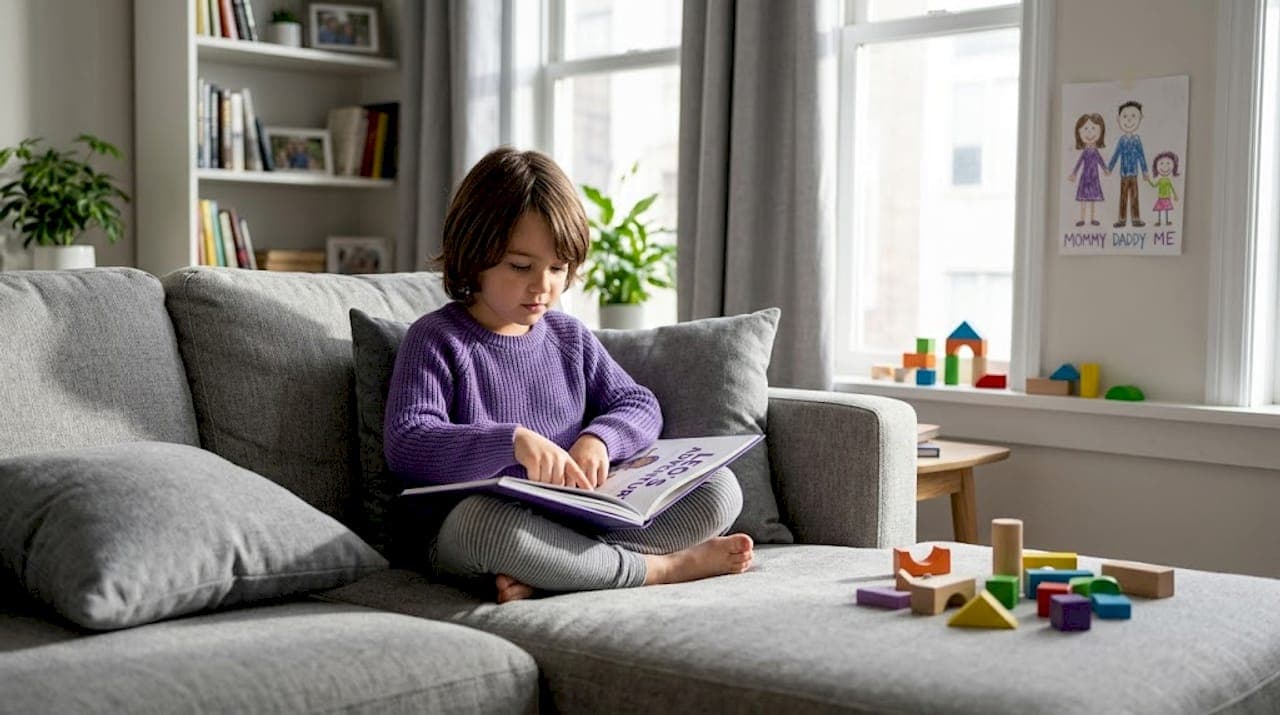
Most parents assume that any book with colorful pictures and a good story will fire up their child's imagination equally. That assumption is worth questioning. New research from 2025 shows that creative personalization in children's books produces measurably better outcomes than generic alternatives, including stronger comprehension, more story retelling, and deeper engagement. The difference is especially pronounced for children who rarely see themselves reflected in mainstream books. This guide breaks down why creative personalization matters, how it actually works, and how you can choose the right book for your child.
Table of Contents
- Why creativity is essential in personalized books
- Creative personalization vs. basic template books
- How creative personalized books spark imagination
- Tips for choosing and using creative personalized books
- The uncomfortable truth most experts miss about creativity in personalized books
- Explore creative personalized books with Adventures Of
- Frequently asked questions
Key Takeaways
| Point | Details |
|---|---|
| Creativity drives engagement | Personalized books with creative customization foster deeper involvement and imagination in children. |
| Full-custom wins over templates | AI-powered, fully custom books outperform template-based personalization in parent satisfaction and child impact. |
| Representation matters | Children of color benefit most from creative personalized books due to increased inclusion and active participation. |
| Practical selection tips | Choose books with robust customization and involve your child to maximize creativity and reading interest. |
Why creativity is essential in personalized books
Not all personalized books are created equal. A book that simply drops your child's name into an existing story is a different thing entirely from a book that builds a brand new story around your child. The first feels like a novelty. The second feels like something genuinely made for them.
Creativity in a personalized book means the story was shaped by your child's specific traits, interests, and appearance. The characters look like them. The adventures connect to things they actually care about. That kind of depth changes how a child interacts with the story.
Here is why that matters for development:
- Comprehension improves when children recognize themselves in the narrative. It is easier to follow a story when the main character shares your name, your hair, your dog, or your favorite sport.
- Active participation increases because children feel ownership over the story. They want to talk about it, predict what happens next, and retell it to grandparents and friends.
- Confidence gets a boost when a child sees a version of themselves as the hero, solving problems and going on adventures.
- Representation fills a real gap for children who belong to groups underrepresented in mainstream publishing. Seeing yourself in a story is not just nice. It is developmentally significant.
"Personalization boosts story retelling, comprehension, verbal and behavioral involvement, with greater benefits for children of color due to underrepresentation in generic books." — Springer, 2025
Understanding personalized books vs template books is the starting point for making a good choice. The research is clear: creativity is not a bonus feature. It is the mechanism through which personalized books actually work. Books that support family empowerment through stories build more than reading skills. They build identity.
Creative personalization vs. basic template books
Now, let's see how creative personalization stacks up against basic template approaches.
The children's book market splits roughly into two camps. On one side, you have template books. These take an existing story, swap in your child's name and maybe a photo, and deliver something that feels personal on the surface. On the other side, you have fully custom, AI-generated books where the story, characters, illustrations, and plot are built specifically for your child from scratch.
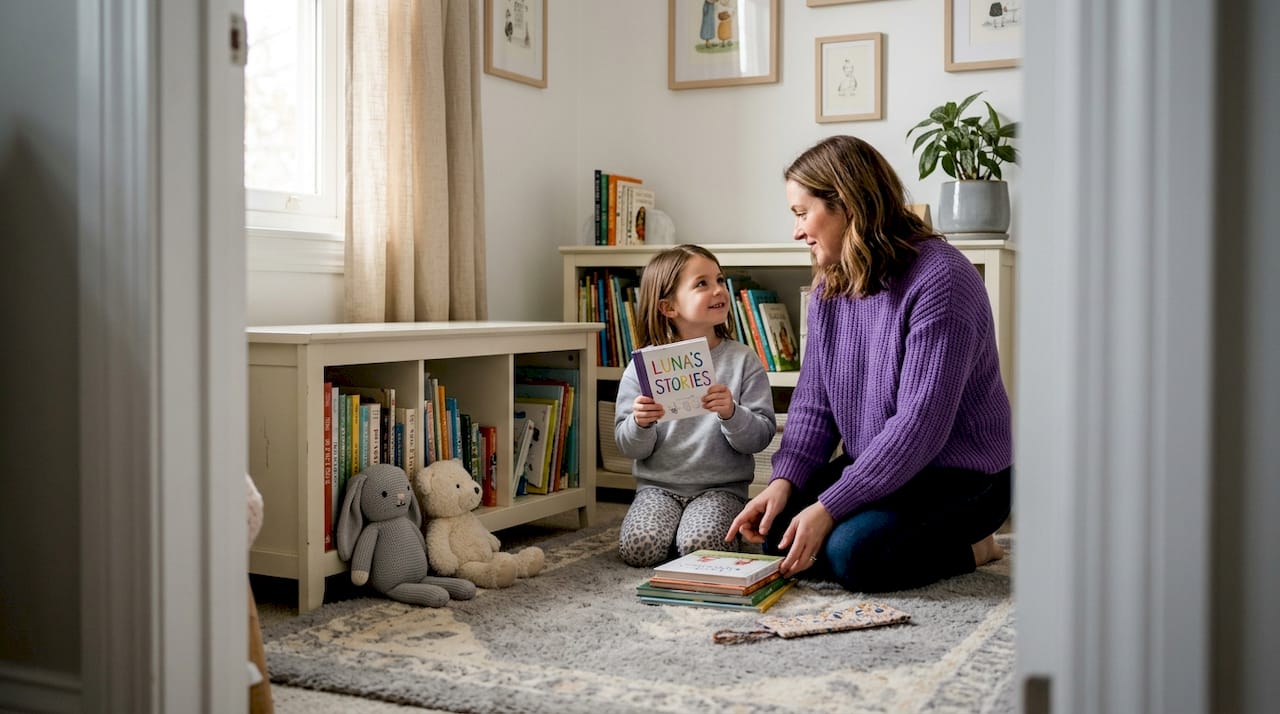
| Feature | Template/name-only book | AI full-custom book |
|---|---|---|
| Story | Pre-written, generic | Original, built for your child |
| Character appearance | Generic or basic placeholder | Resembles your actual child |
| Interests included | Rarely | Yes, central to the plot |
| Representation | Limited | Tailored to your child |
| Parent satisfaction | 3.2/5 average | 4.6/5 average |
| Reread value | Low to moderate | High |
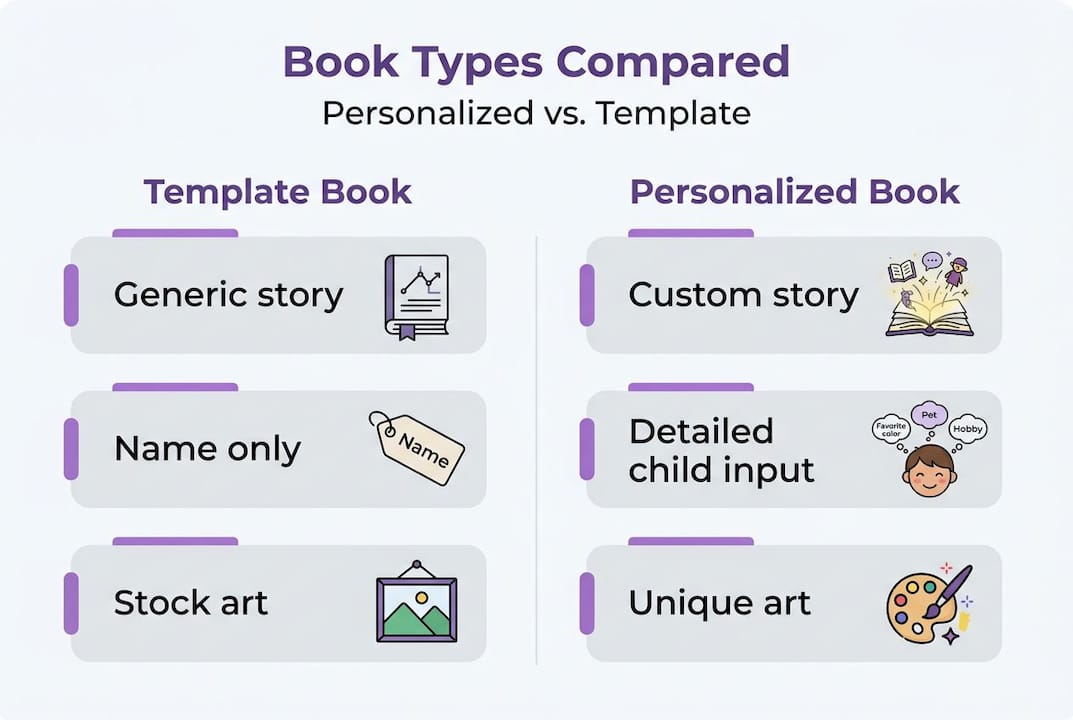
The parent satisfaction gap between AI full-custom books (4.6/5) and template name-only books (3.2/5) is not a small margin. That is a meaningful difference, and parents report it consistently. The reason is straightforward: when a book truly captures your child, it stops being a book and starts being an experience.
This shift is reshaping the future of children's publishing. Publishers at major industry events are paying close attention to AI-driven personalization because the engagement data is hard to ignore.
Pro Tip: When you are comparing personalized book options, ask one simple question: "Does this book tell a new story, or does it fill in blanks?" If the answer is "fill in blanks," you are looking at a template book, no matter how fancy the packaging is.
Learning how to make a personalized children's book helps you understand what questions to ask and what to look for. It is also worth understanding what AI-illustrated content for kids actually involves before you buy, so you know exactly what your child is getting.
How creative personalized books spark imagination
With creative personalization established as superior, let's explore how these books actually foster creativity and imagination in children.
Children do not just read stories passively. They inhabit them. When a story features a child who looks like them, lives in their neighborhood, and goes on adventures connected to their real interests, something different happens in how they process the narrative. They start filling in details on their own. They ask "what would I do next?" instead of just "what happens next?"
Here is the process, step by step:
- Recognition triggers engagement. When a child spots a character who looks like them, their attention sharpens immediately. This is not just a feel-good moment. It is a neurological hook that makes the story stickier and easier to remember.
- Ownership drives retelling. Children who feel personally connected to a story retell it far more often than children reading generic books. This retelling is creative work. They add details, change outcomes, and build on the story in ways the original never imagined.
- Creative choices become conversation starters. A book built around your child's love of dinosaurs, basketball, or baking opens up natural conversations about imagination and possibility. The story becomes a launching pad.
- Repeated reading deepens comprehension. Because the story feels relevant, children want to revisit it. Each reread adds a layer of understanding and creative engagement.
Key stat: Personalization boosts story retelling, comprehension, and verbal involvement significantly compared to generic books, with children of color showing the largest gains. This is not a small effect. It is a consistent pattern across the research.
Browsing custom children's books gives you a sense of how much creative depth is possible when a book is built specifically for one child. And if you are shopping for a gift, the bookish kids gift guide is a great place to see which options deliver the most imagination-boosting value.
The imagination benefits are not accidental. They are the direct result of a child encountering a story that mirrors their world closely enough to feel real, but opens up into something bigger and more wonderful than everyday life.
Tips for choosing and using creative personalized books
You have seen the benefits. Now let's get practical with steps and tips for making the most of creative personalized books.
Choosing the right book involves more than picking a pretty cover. Here is what actually matters:
- Look for full-story customization, not just name swaps. The book should tell a story that was written with your child's specific details in mind, not a pre-existing script with blanks filled in.
- Check that character visuals match your child. Illustrations should reflect your child's actual appearance, not a generic avatar that sort of looks like them if you squint.
- Pick a service that asks about your child's interests. A truly creative personalized book will ask what your child loves, what their personality is like, and what kind of adventure they want. If the form just asks for a name and an age, that is a red flag.
- Involve your child in the process. Ask them what kind of adventure they want. What friends should be in the story? What problem should the hero solve? This involvement supercharges the imaginative benefit.
- Avoid generic template books for maximum results. Personalization drives retelling, comprehension, and behavioral involvement most strongly when the customization is deep and meaningful.
- Ask about representation features. Can the book reflect your child's ethnicity, family structure, or cultural background? For children in underrepresented groups, this is especially important.
- Think about reread value. A book your child wants to read twenty times is worth more than a beautiful book they look at once.
Understanding how long it takes to make a custom book helps you plan ahead, especially if you are buying a gift with a deadline. Some services take weeks. Others, like AI-driven options, can be ready in minutes.
It is also worth thinking about the creative process behind the book. Not all creative approaches are equally valuable. The best personalized books treat creativity as the core feature, not an afterthought.
Pro Tip: After your child gets their personalized book, read it together the first time and pause at each page to let them react. Ask open questions like "What do you think happens next?" or "Why did the character do that?" These small moments build the habit of active, imaginative reading.
The uncomfortable truth most experts miss about creativity in personalized books
Here is something we think most conversations about personalized books get wrong.
The focus tends to land on personalization as a novelty. "Your child's name is in the story! Their face is on the cover!" That framing sells books, but it undersells what actually matters. The reason creative personalization works is not because children enjoy seeing their name in print. It is because a genuinely custom story gives children a safe space to explore identity, expand their sense of what is possible, and practice imaginative thinking in a context that feels real to them.
When we treat personalization as a nice-to-have feature rather than a core developmental tool, we end up accepting books that do just enough to seem personal without delivering real creative depth. A name swap is not representation. A photo pasted onto a generic character is not reflection. These shortcuts feel harmless, but they leave real value on the table.
The research backs this up. The biggest gains in engagement and comprehension show up in children who are least represented in mainstream publishing. For a child who almost never sees a character who looks like them, a truly custom book is not just more fun. It is more formative. That is a meaningful difference that parents have every right to demand from the products they buy.
We also think parents underestimate their own role here. You are not just a customer picking from a shelf. You are a curator of the imaginative experiences your child has during some of the most developmentally important years of their life. Insisting on genuine creative depth, not just surface personalization, is worth the extra effort.
That is true whether you are buying a custom baby book for a newborn or a story-driven adventure for an older child. The principle holds at every age: creativity that is built around your child, not bolted onto a template, is what makes the difference. As interactive storytelling techniques continue to evolve, the bar for what "personalized" means will keep rising. Parents who understand the difference will always choose better.
Explore creative personalized books with Adventures Of
If this article has made you want to find a book that truly reflects your child, you are in the right place.
At Adventures Of, we build completely original storybooks using AI technology. You upload a photo of your child, share a few details about their personality and interests, and we generate a brand new story with illustrations that look like them. No templates. No generic characters. Just a one-of-a-kind book ready in about five minutes. You can shop personalized children's books to see what is possible, or browse our storybook library to find the right adventure for your child. Every book comes with a money-back guarantee, so there is no risk in giving it a try.
Frequently asked questions
How does creative personalization impact my child's reading experience?
Creative personalization increases engagement, comprehension, and story retelling, with especially strong benefits for children who are underrepresented in mainstream books.
What's the main difference between AI-custom books and simple name-only books?
AI-custom books create an entirely new story and original illustrations based on your child, while name-only books add a personal touch to a pre-written template without meaningful creative depth. Research shows parent satisfaction averages 4.6/5 for full-custom books versus 3.2/5 for template options.
Are creative personalized books especially valuable for children of color?
Yes. Research confirms that children of color show the greatest gains in comprehension and involvement from personalized books, because they are far less likely to encounter genuine representation in mainstream publishing.
How can I tell if a personalized book is truly creative?
Look for books that ask detailed questions about your child's appearance, personality, and interests, and that generate an original story in response. If a service only asks for a name, it is almost certainly a template book.
What's the best way to engage my child with their personalized book?
Involve your child in the customization process before the book is made, then read it together and pause to ask imaginative questions. Encouraging them to retell or extend the story afterward builds creative thinking and a sense of ownership over the narrative.
Recommended
- Personalized Children's Books — Starring Your Kid | Adventures Of
- How to Make a Personalized Children's Book (Without Losing a Saturday) | Adventures Of
- Adventures Of | Personalized Children's Storybooks
- A Gift Guide for Bookish Kids (That Isn't Just More Books) | Adventures Of
- 10 Magical Memories to Create With Personalized Animated Videos — WonderLens | WonderLens