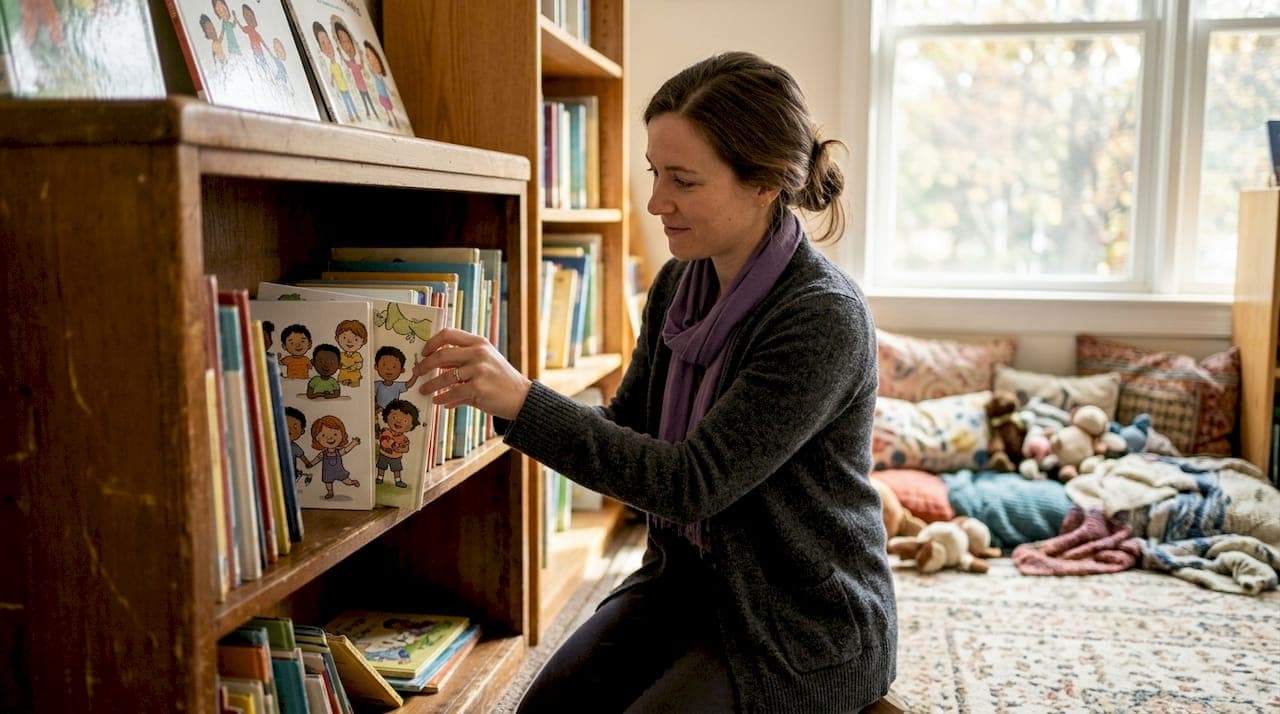
A strong classroom library is built around your actual students, not a generic wishlist. That means knowing which kids are reading two grade levels behind, which ones devour graphic novels, and which ones have never once seen a character who looks like them in a book. Building a classroom library with personalized books is one of the most direct ways to close that gap between "books on shelves" and "books students actually read."
Here is what a well-built personalized classroom library includes:
- Student interest surveys completed before you order a single title
- Books at multiple reading levels, from emerging readers to advanced, within every genre section
- Diverse cultural representation across authors, characters, and story settings
- Personalized books where individual students appear as the protagonist, by name and likeness
- Traditional literature alongside personalized titles to build empathy and abstract thinking
- A rotation system so the collection stays fresh without requiring a bigger budget
- Student input baked into the curation process, not added as an afterthought
How to start and expand your classroom library with personalized books
The most common mistake is buying books first and surveying students second. Flip that order. A short interest inventory, even five questions on paper, tells you whether your class leans toward adventure stories, animals, sports, or humor. Pair that with a reading level assessment using tools like Lexile or Fountas and Pinnell, and you have a real shopping list instead of a guess.
Funding sources worth pursuing:
- DonorsChoose lets you post a specific classroom project and receive direct donations from the public, often funded within weeks
- Scholastic Book Fairs generate classroom credits you can spend on new titles
- Title I funds at qualifying schools can cover library materials, including personalized books
- Local public library partnerships sometimes offer classroom lending collections at no cost
- Community book drives organized through a school newsletter can bring in dozens of gently used titles fast
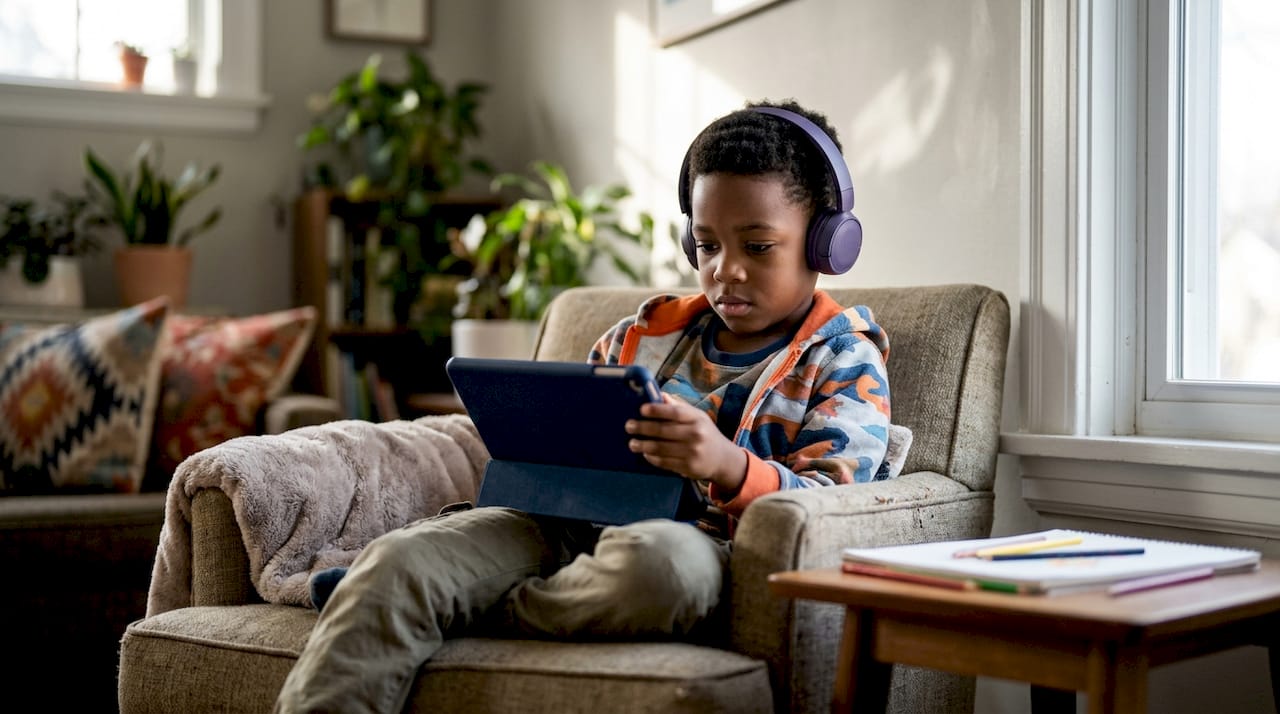
Digital books belong in the mix too, especially for students who read better on a screen or need text-to-speech support. Apps like Epic and tools like Sora (through your school district) give students access to thousands of titles without taking up shelf space.
Pro Tip: Create personalized books in batches. If you use an AI-based tool to generate custom stories, set aside one planning period to create several at once rather than one at a time. Reusing a consistent character or classroom mascot across multiple stories builds a reading universe students recognize and look forward to.
What types of books every classroom library should have
Not every book needs to do every job. The strongest collections spread the work across categories.
- Culturally diverse titles: Books by and about characters from different racial, ethnic, and cultural backgrounds. The American Library Association's book awards include the Coretta Scott King Award and the Pura Belpré Award, both reliable filters for quality diverse literature.
- Genre range: Fiction, nonfiction, poetry, biography, and graphic novels. Students who resist chapter books often read graphic novels cover to cover.
- Leveled readers: Books organized by reading complexity so every student can find something they can actually finish.
- Personalized books: Stories where the student is the named protagonist. Research on personalization effects shows that children of color in particular show greater verbal and behavioral involvement when reading personalized books versus traditional ones, making these titles especially valuable in diverse classrooms.
- Award-winning classics: Newbery and Caldecott Medal books give students exposure to recognized literary quality. One Responsive Classroom teacher noted that students began noticing award medals on book covers on their own once an "Award-Winning" basket appeared in the library.
- Social-emotional learning (SEL) titles: Books addressing friendship, loss, identity, and resilience. These are especially useful for read-alouds and class discussions.
- Student-created books: When students help produce a personalized story, involvement during reading increases compared to passive reading. Even simple class-made books belong on the shelf.
How to keep students genuinely engaged with your classroom library
Student engagement with a library does not happen automatically. It requires structure, choice, and feedback loops.
The single most effective lever is student voice in book selection. Educator David J. Webb, who built a personalized recommendation system for his classroom, found that accuracy in matching books to student interests mattered far more than any feature or reward system. His classroom reported an 85% satisfaction rate with personalized recommendations, which translated directly into higher book completion and more genre exploration.
Practical engagement strategies:
- Student book logs: Have students rate and briefly describe books they finish. This data feeds better future recommendations.
- Reading challenges: Genre bingo cards, reading passport stamps, or seasonal challenges give students a goal without making reading feel like a test.
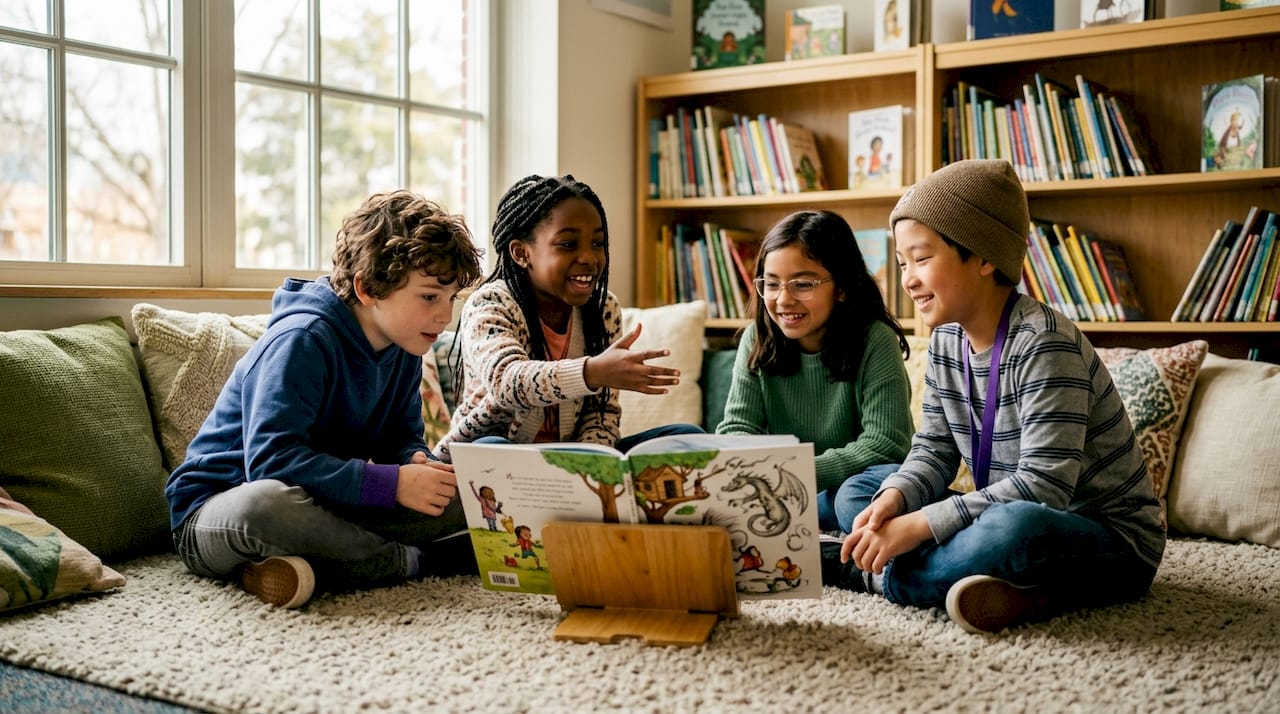
- Book talks: A two-minute student-led pitch for a favorite book does more for circulation than any display you can build.
- Visible progress: Posting reading milestones (books finished, genres explored) on a class chart makes progress concrete and social.
- Scaffolded options: Keep books at a range of levels within every genre basket so struggling readers are never forced to choose between a book that is too hard and one that feels babyish.
- Personalized recommendations: Whether you use a simple spreadsheet system or a dedicated tool, matching books to individual students by level and interest reduces the friction of "I don't know what to read."
For educators looking to connect these strategies with professional development resources, EmpowerED's educator blog covers practical approaches to integrating personalized and traditional books across diverse learning goals.
Why personalized books and traditional literature both belong in your library
The research here is clear, and so is the caveat. Personalized books work. A study with 96 elementary students found that reading a narrative with the protagonist's own name produced significantly higher text transfer performance and stronger social agency ratings compared to a non-personalized version of the same story. That is a real comprehension gain, not just a motivation boost.
But traditional literature does something personalized books cannot. Stories about characters unlike the reader build perspective-taking and abstract thinking. When children read only about themselves, the conversation tends to stay focused on their own feelings and experiences. When they read about others, they practice empathy. The goal is both, not one or the other.
The five As framework, developed through research on digital personalized books in the language arts curriculum, offers a useful lens: autonomy, authorship, authenticity, attachment, and aesthetics. Personalized books score high on attachment and authenticity. Traditional literature often scores higher on aesthetics and the kind of authorship that comes from encountering a master storyteller's voice. A library that includes both covers all five.
Where personalized books add the most value:
- Reluctant readers who have not yet found a reason to pick up a book
- Students of color who are underrepresented in traditional children's publishing
- Early readers building confidence through story completion
- Students with special educational needs who benefit from familiar, self-referential narratives
Where traditional literature holds its ground:
- Building empathy for experiences outside the student's own life
- Exposing students to varied literary styles and voices
- Developing critical thinking through complex, multi-character narratives
The Scientific American review of personalized book research puts it plainly: the goal for future educational use is striking the right balance between personalization and depersonalization, not choosing one over the other.
How to organize, maintain, and rotate your classroom library
A well-organized library gets used. A chaotic one gets ignored, no matter how good the books are.
- Categorize by genre and theme first, reading level second. Students browse by interest, not by Lexile score. Label baskets in plain language: "Funny Stories," "True Events," "Animals," "Mysteries."
- Add a reading level indicator inside the front cover or on the spine with a colored dot system. This lets students self-select without the label being the first thing they see.
- Rotate titles every four to six weeks. Pull a third of the collection into storage and bring in books students have not seen recently. This keeps the library feeling new without spending more money.
- Involve students in organizing. One third-grade teacher at a Responsive Classroom school let students sort and label the entire library from scratch. Students paid closer attention to books, returned them to the right baskets more consistently, and created categories the teacher would never have thought of, including one called "Trouble" that ended up with ten books in it.
- Use a simple catalog system. A shared Google Sheet with title, author, genre, level, and checkout status is enough for most classrooms. It also lets you spot which books never circulate and swap them out.
- Audit twice a year. Check for damaged books, titles no longer relevant to your students, and gaps in representation or genre coverage. Solicit student input during the audit: ask which baskets they visit most and which they skip entirely.
- Keep personalized books accessible but protected. A student's personalized book can live in the library for others to read, but the student who stars in it should know it belongs to them. A simple "Star Reader" label on the cover handles this without confusion.
Starting a classroom library from scratch
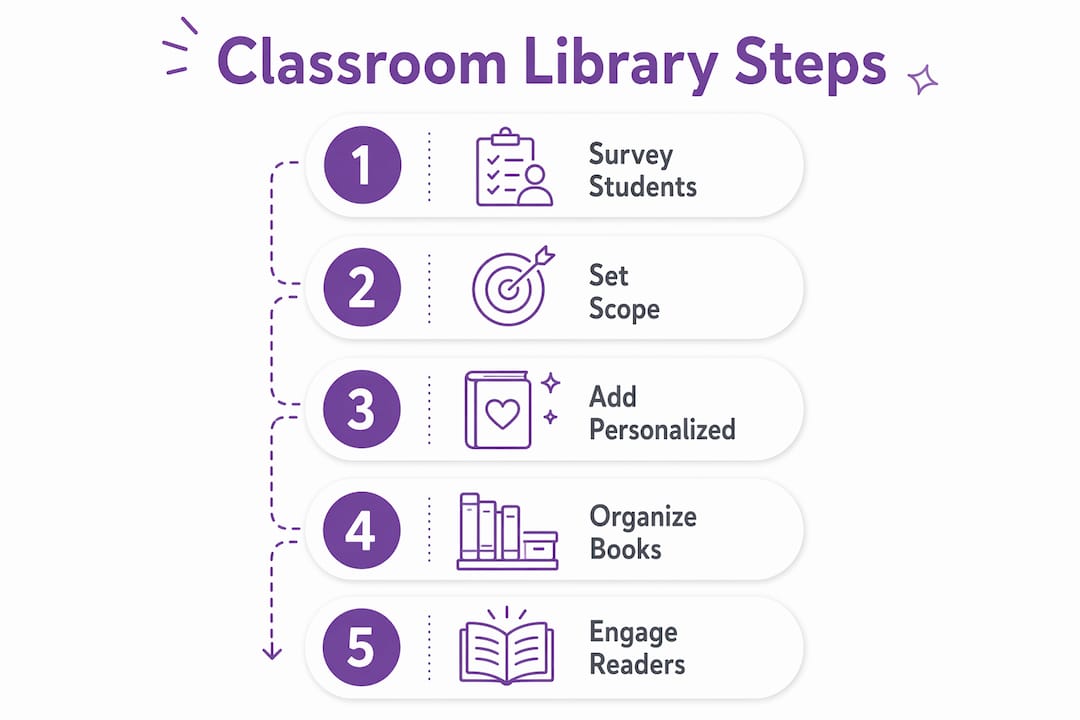
Starting from zero is actually an advantage in one respect: you are not undoing someone else's system. Begin with three things before you spend a dollar.
First, survey your students. Find out what they already read at home, what topics interest them, and whether they think of themselves as readers. That last question matters. Students who do not see themselves as readers need different entry points than students who already love books.
Second, set a realistic scope. A classroom library of 100 well-chosen books beats a library of 400 books nobody wants to read. Aim for depth in a few categories your students actually care about rather than thin coverage across every genre.
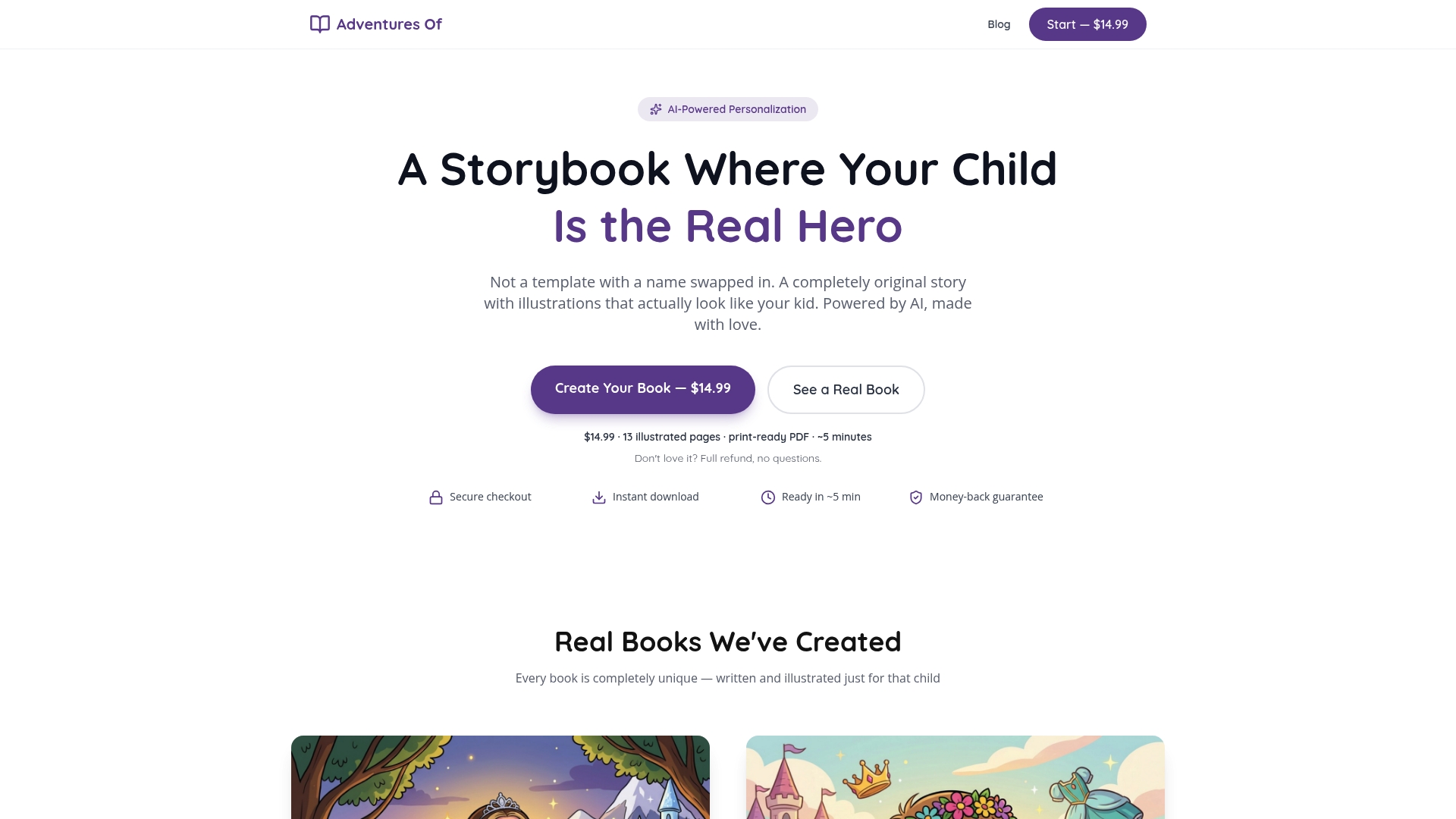
Third, build in personalized titles from the start, not as an add-on. When students see their name and face in a book on the first day the library opens, the message is immediate: this library was built for you specifically. Adventuresofbook generates an original AI-illustrated story for a single child, using uploaded photos to create illustrations that actually look like that student, not a generic avatar. At $14.99 per book with a 7-day refund, it is a practical option for adding a few personalized titles to a new collection without a large upfront commitment. You can browse the full personalized book collection to see what fits your students.
For educators who want to go deeper on using AI tools to support personalized reading experiences, this practical guide to AI in K-12 education covers classroom integration strategies grounded in the five As framework.
Key Takeaways
A classroom library built around personalized books and diverse traditional literature consistently produces higher reading engagement, better comprehension, and stronger student ownership of the reading habit.
| Point | Details |
|---|---|
| Personalization boosts comprehension | Students reading narratives with their own name as protagonist showed significantly higher text transfer performance in a study of 96 elementary students. |
| Children of color benefit most | Research found greater verbal and behavioral involvement for children of color reading personalized books versus traditional ones. |
| Accuracy beats features | An 85% satisfaction rate with personalized book recommendations drove higher book completion and genre exploration in one classroom implementation. |
| Balance is required | Personalized books build motivation and identity; traditional literature builds empathy and abstract thinking. Both belong in the collection. |
| Student voice drives circulation | Involving students in organizing, selecting, and rating books produces a library they actually use rather than one they walk past. |
FAQ
How many personalized books should a classroom library include?
There is no fixed ratio, but personalized books work best as a complement to traditional literature rather than a replacement. Start with a few titles featuring individual students and expand based on engagement.
Do personalized books actually improve reading comprehension?
Yes. A study of 96 elementary students found that reading a narrative personalized with the student's own name produced significantly higher text transfer performance compared to a non-personalized version of the same story.
What is the most effective way to organize a classroom library?
Organize primarily by genre and theme using plain-language labels, then add a secondary reading level indicator inside the cover. Involving students in the sorting process increases how carefully they return books to the right place.
How can teachers fund a classroom library on a limited budget?
DonorsChoose, Scholastic Book Fair credits, Title I funds, and community book drives are all practical options. Personalized books at a one-time cost (rather than subscription) keep per-title expenses predictable.
Are personalized books worth it for reluctant readers specifically?
Research supports it. Students who have not connected with reading respond strongly to seeing themselves as the story's protagonist, and children of color in particular show measurably greater involvement with personalized books than with traditional ones.